




France is a land rich in history and culture, offering a wealth of opportunities and experiences for investors and holidaymakers alike. The French property market has traditionally been strong, and property investment remains attractive with low F...
30th June 2023 · 3 min readCustoms Clearance Made Simple: Avoiding Delays and Costly Mistakes
Posted on 4th February 2026 · 3 min read
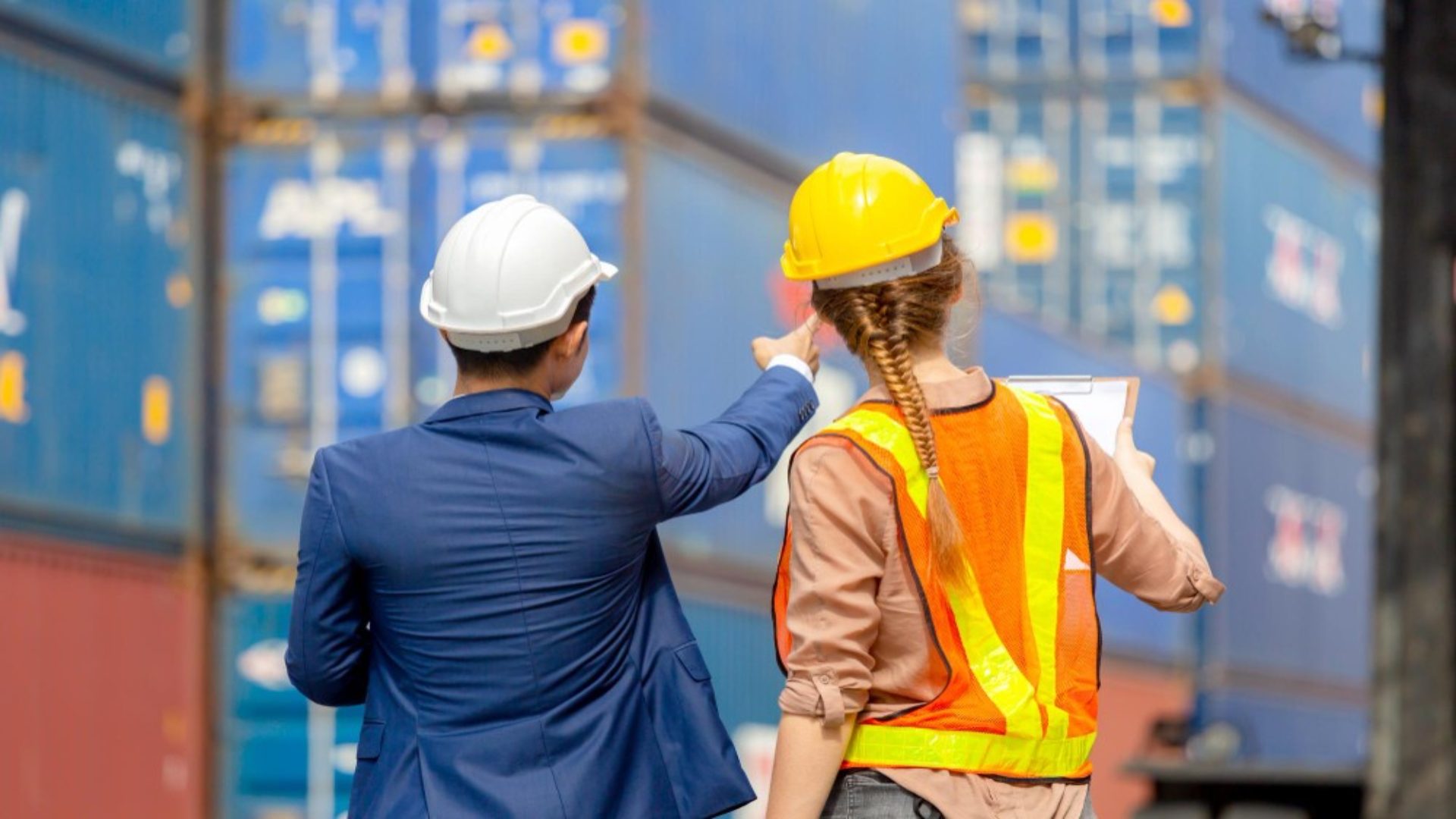
International trade depends on efficient customs clearance. Even well-organised supply chains can be disrupted if shipments are delayed at the border due to documentation errors, non-compliance, or miscommunication with customs authorities. For companies operating across borders, understanding how customs clearance works – and where problems most often arise – is essential for maintaining operational continuity and cost control.
What Is Customs Clearance and Why It Matters
Customs clearance is the formal process that allows goods to enter or exit a country in compliance with national regulations. It involves submitting accurate documentation, classifying goods correctly, calculating duties and taxes, and ensuring adherence to trade laws.
For businesses, customs clearance is not just an administrative step. Delays at this stage can:
- interrupt production schedules,
- increase storage and demurrage costs,
- damage relationships with customers and partners,
- expose companies to financial penalties or audits.
As global trade regulations become more complex, the margin for error continues to shrink.
The Most Common Causes of Customs Delays
Customs issues rarely occur by accident. In most cases, delays result from recurring and avoidable mistakes.
Incorrect or Incomplete Documentation
Missing invoices, inaccurate packing lists, or inconsistencies between documents are among the most frequent reasons shipments are held for inspection.
Wrong Tariff Classification
Incorrect HS codes can lead to improper duty calculations, triggering customs queries, reassessments, or fines.
Lack of Regulatory Awareness
Customs rules change regularly. Companies relying on outdated procedures may unknowingly violate current import or export requirements.
Poor Coordination Between Stakeholders
When exporters, freight forwarders, and customs representatives are not aligned, even small communication gaps can result in clearance delays.
How Professional Customs Support Reduces Risk
To manage these challenges, many companies rely on specialised customs agencies with hands-on experience in international trade procedures. Professional customs brokers act as intermediaries between businesses and customs authorities, ensuring accuracy, compliance, and procedural efficiency.
An experienced customs partner provides:
- verification and preparation of documentation,
- correct tariff classification and duty calculations,
- monitoring of regulatory changes,
- direct communication with customs offices,
- support during inspections or audits.
This level of oversight significantly reduces the risk of costly disruptions.
Customs Clearance as a Strategic Business Function
Efficient customs clearance goes beyond compliance. When handled correctly, it becomes a strategic advantage.
Optimised clearance processes help businesses:
- shorten lead times,
- improve supply chain reliability,
- reduce unexpected logistics costs,
- maintain predictable delivery schedules,
- strengthen international competitiveness.
In industries with tight margins or time-sensitive deliveries, these benefits directly affect profitability.
Choosing the Right Customs Brokerage Partner
Selecting a reliable customs partner requires more than price comparison. Experience, regulatory knowledge, and operational transparency are critical factors.
Companies such as OTS Broker support importers and exporters by providing structured, compliant customs services tailored to real-world trade conditions. Acting as an On The Spot broker, such agencies assist businesses in navigating clearance procedures efficiently while minimising regulatory and financial risk.
OTS Broker – your partner in business
Customs clearance should not be treated as a last-minute formality. It is a core element of international logistics that directly affects business performance. Companies that invest in expertise, structured processes, and reliable customs support are better positioned to avoid delays, control costs, and operate confidently in global markets.
Popular Articles




Building Confidence in a Digital Economy: Why Cybersecurity Is Now a Business Imperative
3 min read
Why High-Net-Worth Investors Are Pivoting to AI and HealthTech in 2026
5 min read
Best Instant Funding Prop Firms With No Hidden Rules
6 min read
7 AI PDF Reader Tools Reviewed: Which One Is Worth Your Time?
7 min read
You Might Also Like
Finance Options for Your French Hotel Development or Purchase

How European Businesses Are Modernising Hazardous Waste Management
Across Europe, sustainability has evolved from a long-term ambition into an operational priority. Businesses are under growing pressure to improve environmental performance, strengthen compliance processes, and align with increasingly ambitious ES...
15th May 2026 · 3 min read
GoHenry Expands into Europe with Acquisition of French FinTech Pixpay
GoHenry, the prepaid debit card and financial education app for kids aged 6-18, has acquired French FinTech Pixpay in a deal that will see the financial education pioneer expand into Europe for the first time.
31st August 2022 · 3 min read