







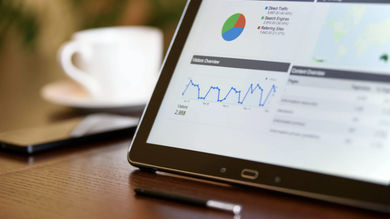
Google Analytics 4 is a service that helps you to make more traffic and make better engagement to your Website or application. There is no doubt tha GA4 is an efficient measure for all types of businesses. It helps to gather the statistics and ind...
2nd August 2024 · 2 min readFrom Legacy to Leader: How a Digital Operating Model Transforms Your Business
Posted on 2nd September 2025 · 3 min read

These days, hanging onto old ways of doing business feels kinda like trying to drive downtown with a hand‑drawn map—you could end up where you want, but probably getting lost, stuck in traffic, and missing shortcuts. It seems the push toward a Digital Operating Model isn’t just hype; it’s turning into a must‑have if a firm wants to stay alive. But maybe small shops can get by with less tech. With data flowing in time and analytics, you could cut junk out of the workflow, make quicker calls, and give customers a smoother ride. Still, some folks worry that racing digital might leave the human touch behind.
Breaking Down Silos for Smarter Decisions
Looks like one big problem for companies is how they keep planning in separate pockets. Each department does its own thing, using different Excel sheets and old software. That way you never see the whole picture, right? A digital operating model might break those walls, pulling everything together. When you mix real numbers with planning, things gets quicker and smarter. It could let a firm react to market shifts before they become disasters. Still, not every firm is ready – some folks fear losing control. First step is to add a supply chain planning software tool. plus, cost of switching might be less than you think.
The Real-World Impact of a Digital Operating Model
The hype around a digital‑first way of working isn’t just hype—it’s showing up in real factories and offices.
Take the soda maker I heard about last summer. After they switched to a digital set‑up, the guys on the line started chatting in the system instead of shouting across the warehouse. The food giant down the road had a similar boost; their crews started finishing orders faster, almost like they were reading each other’s minds.
Then there’s the paint company that rolled out a “Logistics Workbench.” It sounded fancy, but really it was just a screen that let managers see shipments in real time. When the pandemic hit, that screen may have saved them, because they could move stock around on the fly.
Another outfit digitised its whole planning process. Now they can look at demand weeks ahead, tweak production, and kind of sit back, knowing they’re not guessing.
Beda Bolzenius, the CEO over at Marelli, keeps saying the world is getting messier, so we need more clear data and smart numbers. He’s not alone—studies keep pointing out that going digital seems to lift efficiency and push growth, even if the road gets a bit bumpier.
So, maybe the digital model isn’t perfect, but it sure looks like a useful tool for many companies today.
A New Vision for a New Era
Moving to a digital operating model isn’t just buying the newest software.
It kinda means you have to rethink how your company runs and makes choices.
I guess the goal is to build a tight knit system where data pushes quicker, more decisions for everyone – shoppers, suppliers, crew on the floor.
If you start ripping down those hidden departments and let the numbers call the shots, you could gain a lot more room and maybe even shield the business from next market surprise.
Popular Articles
You Might Also Like
The importance of Google Analytics 4

The 5 Best Enterprise Document Data Extraction Software in 2026
Most enterprises have tried document automation before, and results are usually mixed: a bot that handles invoices from three vendors but chokes on the fourth, an OCR tool that was supposed to cut data entry and instead added a new task, fixing wh...
21st October 2026 · 4 min read
Why you shouldn’t need a consultant to help you through every minor change
Upskill your team to handle everyday change. Learn when in-house change management is enough—and when bringing in consultants delivers the best results.
17th November 2025 · 4 min read