








The results of a survey of UK office workers suggests that we are becoming increasingly anxious about answering the phone at work.
5th August 2019 · 2 min readHow to Choose a Cardboard Packaging Manufacturer: 10 Questions About Samples and Quotations
Posted on 3rd September 2026 · 4 min read
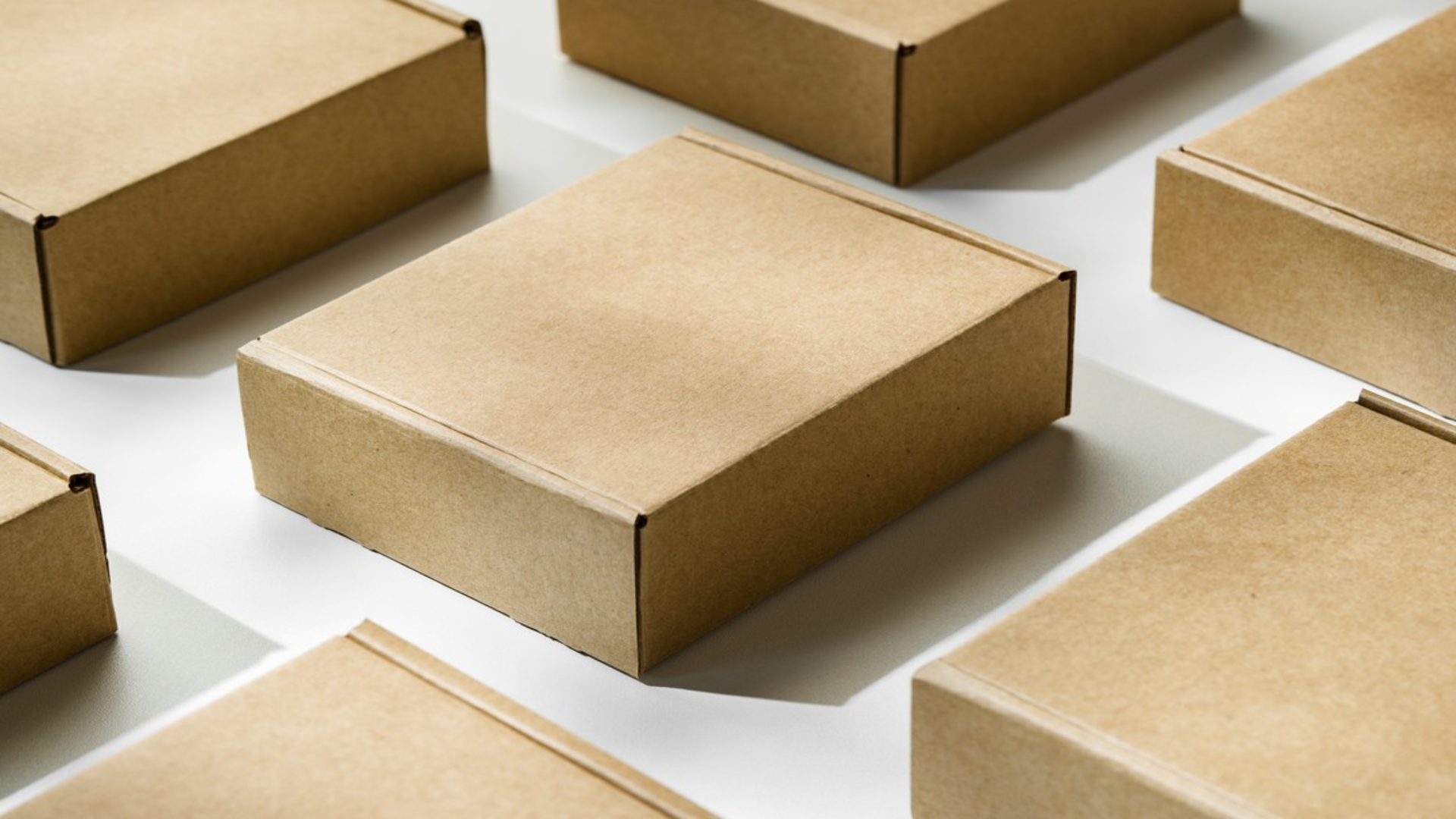
Cardboard packaging is a key element of modern supply chains and product marketing. It affects product safety, warehouse and transportation cost optimisation, and the customer’s first impression. Choosing a manufacturing partner should not be based on chance or price alone. Suppliers differ in technological capabilities, flexibility, and transparency. Reviewing quotations, testing samples, and asking the right questions helps avoid costly mistakes.
Key Criteria for Choosing a Cardboard Packaging Manufacturer
When selecting a cardboard packaging manufacturer, it is worth starting with an assessment of their production flexibility and technological capabilities. A reliable supplier can recommend the optimal paper weight, flute type (e.g., E, B, C, or double-wall EB flute), and material composition, ranging from recycled papers to virgin kraft papers.
Another important factor is consistent quality across repeat production runs. Every batch should maintain the same strength parameters, print durability, and compression resistance.
A strong indicator of professionalism is the possession of certifications such as FSC, which confirms the responsible sourcing of raw materials. Design support is equally important. A trustworthy manufacturer should be able to advise how a box can be redesigned to reduce material usage and lower transportation costs.
What Should You Look for When Evaluating a Company’s Experience and Portfolio?
A manufacturer’s experience is best verified through its past projects and industry specialisation. Companies serving e-commerce, food production, or industrial sectors understand the specific transportation and packaging requirements of those markets.
It is also worth reviewing the range of packaging solutions in the portfolio: from regular slotted containers (FEFCO 0201) and die-cut boxes to packaging with adhesive tape systems. Examining completed projects helps assess print quality, construction precision, and overall workmanship. The ability to develop custom packaging solutions demonstrates that a supplier is capable of meeting unique business requirements.
How to Effectively Compare Packaging Manufacturers’ Offers
Comparing offers requires evaluating them on a like-for-like basis. Price differences often result from hidden specification changes, such as lower cardboard grammage, the use of recycled papers instead of stronger kraft papers, or omitted charges for cutting dies and printing plates.
A quotation should include a complete technical specification covering:
· Internal dimensions
· Flute type
· Board construction
· Printing technology
It is also important to consider delivery terms, inventory management options, and minimum order quantities (MOQ).
In many cases, a slightly higher unit price from a supplier offering engineering and technical support can generate greater savings over the long term.
Manufacturers such as BoxPro and other reputable specialists focus on full transparency. Their quotations clearly define flute type, grammage, and raw material composition, eliminating unexpected costs and billing surprises.
The Importance of Samples and Quality Testing When Choosing a Supplier
Ordering physical prototypes before full-scale production is essential for minimising risk.
A plotter-cut structural sample allows you to test the packaging dimensions with the actual product, verify the fit, and evaluate the assembly process. A printed sample helps confirm color accuracy and graphic reproduction quality.
Performance testing is equally important. Key tests include:
· BCT (Box Compression Test) – measures resistance to vertical compression
· ECT (Edge Crush Test) – evaluates edge compression strength
Trial shipments can reveal potential weaknesses in the packaging design before mass production begins, reducing the risk of customer complaints and product damage.
Key Questions to Ask a Cardboard Packaging Manufacturer Before Placing an Order
Before making your decision, consider asking these ten questions:
1. Do you provide free prototypes or structural samples?
2. What is the exact raw material composition of the proposed cardboard?
3. What are the minimum order quantities (MOQ)?
4. Are tooling and die-cutting costs one-time expenses?
5. What are your standard and expedited lead times?
6. Do you hold FSC and other quality certifications?
7. How are the finished packages prepared for transportation?
8. Which printing technology would you recommend for our production volume?
9. What is your claims and complaint handling procedure?
10. Do you offer support in optimising packaging dimensions?
Selecting the right cardboard packaging manufacturer requires verification of technical parameters such as grammage, flute type, and material composition, as well as an assessment of pricing transparency, tooling costs, MOQ requirements, and delivery conditions.
Before placing an order, it is crucial to test physical samples and plotter-cut prototypes for fit, assembly, and durability (BCT/ECT testing), and to verify the supplier’s quality and environmental certifications, including FSC and ISO standards.
A well-considered choice of production partner ensures reliable supply, optimised costs, and greater security for your business.
FAQ
What is the difference between kraft-based cardboard and recycled cardboard?
Cardboard made from kraft papers (virgin fiber) offers significantly higher mechanical strength, better moisture resistance, and a more premium appearance. Recycled cardboard (testliner) is typically more cost-effective and environmentally friendly but provides lower rigidity and compression strength.
What is the BCT test and why is it important when selecting packaging?
The BCT (Box Compression Test) measures the vertical compression strength of an empty cardboard box. It determines how much weight can safely be stacked on a box during storage and transportation before deformation occurs. This helps prevent pallet loads from collapsing in warehouses and transit.
What are the benefits of ordering plotter-cut packaging prototypes before mass production?
A plotter-cut prototype produced without manufacturing a production die allows you to verify the box dimensions, assembly process, and product fit before investing in tooling. This makes it possible to introduce modifications early, reducing costs and avoiding errors before mass production begins.
Popular Articles
You Might Also Like
Phone fear affects over half of UK office workers

AI Scams Targeting Brits This Summer: Four Expert Tactics to Spot Them Before You Lose Money
AI fraud cases have skyrocketed by an astonishing 1,210% in 2025, far outpacing the 195% spike seen in traditional fraud.
11th May 2026 · 4 min read
How You Can Get Started As An Investor From Home
These days, there are many different types of jobs you can take on from home. In fact, most jobs that would once be completed in an office can now be completed from home.
12th April 2023 · 3 min read