








According to new data from the recruitment site, CV Library, job postings in October 2021 were up 26% month-on-month for roles in the hospitality industry, and there was a huge 383% increase compared to the same month last year.
16th November 2021 · 5 min readInbound vs. Outbound Automotive Logistics: Building a Seamless Supply Chain
Posted on 19th October 2026 · 5 min read
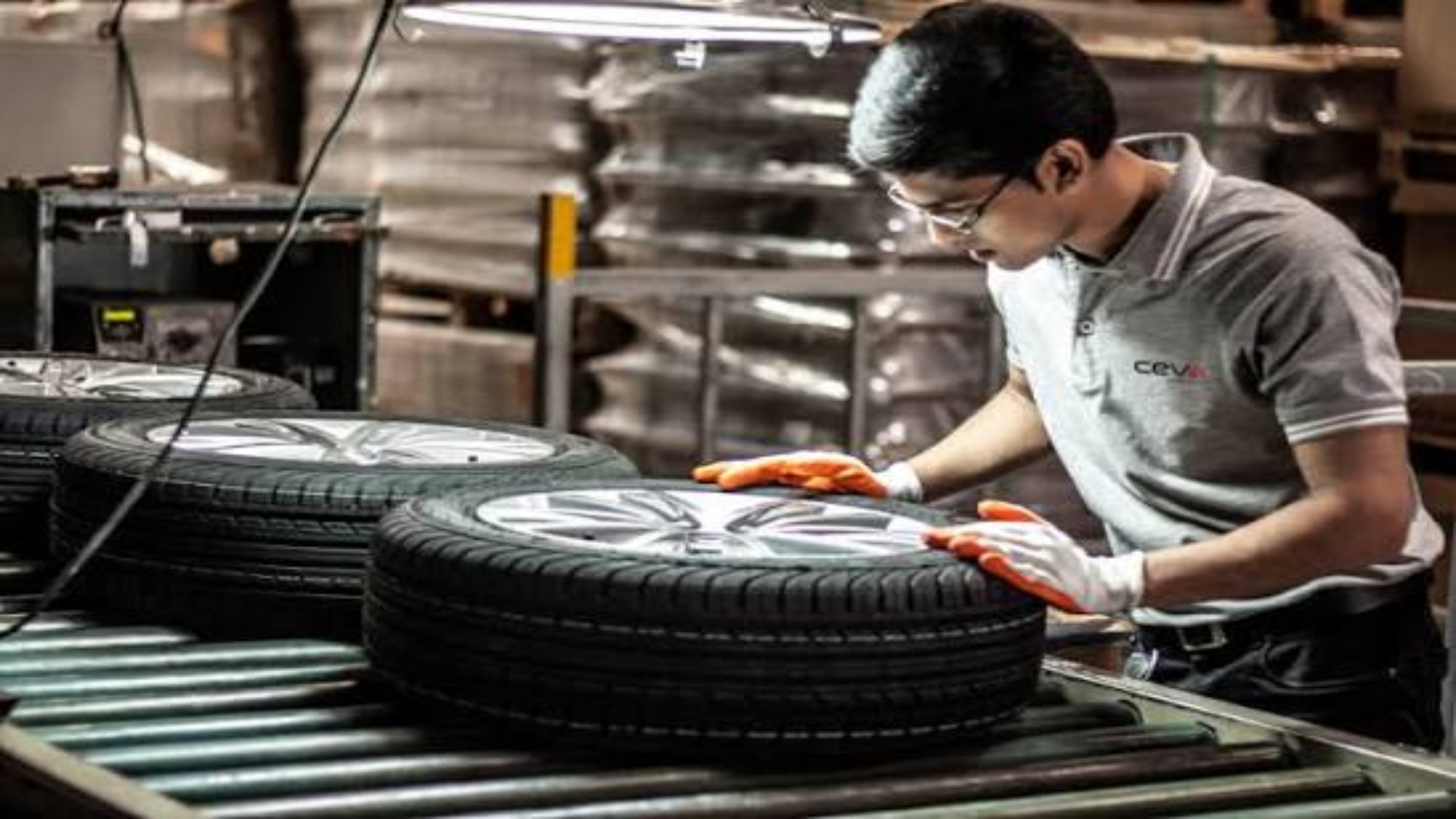
The automotive industry relies on an organised supply chain to move materials to factories and deliver finished vehicles to their destinations. From the arrival of individual components to the transportation of completed cars, each stage requires careful coordination, accurate information and dependable transport services. Inbound and outbound automotive logistics are two essential parts of this process, helping manufacturers maintain production schedules and meet customer expectations.
As automotive supply networks expand across international markets, managing these activities becomes increasingly complex. Manufacturers must address changing consumer demand, transportation delays, inventory challenges and evolving environmental requirements. Understanding the differences between inbound and outbound logistics can help businesses develop a more connected and efficient supply chain.
Understanding Inbound Automotive Logistics
Inbound automotive logistics involves transporting raw materials, components and other production supplies from suppliers to manufacturing facilities. These materials may include tyres, engines, electrical systems, batteries, metal parts and other items required to assemble vehicles.
The main purpose of inbound logistics is to ensure that manufacturing plants receive the necessary materials in the correct quantities and within the required timeframes. When an essential component arrives late, production schedules can be disrupted, potentially affecting output and increasing operating expenses.
Many manufacturers use just-in-time inventory strategies to reduce the need for large storage areas. Under this approach, components arrive shortly before they are required on the production line. Although this can improve inventory efficiency, it depends on accurate planning, reliable suppliers and consistent transportation services.
Additional inbound activities include freight consolidation, warehousing, component sequencing and kitting. Consolidation combines shipments to improve transport efficiency, while sequencing arranges parts according to production requirements. Kitting involves grouping related components so that workers can access the materials needed for specific assembly tasks.
Well-managed inbound logistics helps factories maintain a steady flow of materials while reducing unnecessary handling and storage costs.
Understanding Outbound Automotive Logistics
Outbound automotive logistics focuses on moving finished vehicles from manufacturing facilities to dealerships, distribution centres, fleet operators and customers. Once production is complete, vehicles must be prepared, stored when necessary and transported through the appropriate distribution network.
The process often includes vehicle inspections, storage management, transport scheduling and final delivery coordination. Depending on the destination, manufacturers may use road, rail or maritime transportation. International deliveries can also involve customs procedures, shipping documentation and cooperation between several logistics partners.
Vehicle preparation is another important consideration. Before reaching a dealership or customer, some vehicles require cleaning, inspection, accessory installation or other finishing activities. Accurate identification and shipment records help ensure that each vehicle reaches the correct destination.
Changing purchasing habits have also influenced outbound operations. Online vehicle sales and flexible delivery arrangements require manufacturers to coordinate different distribution channels. Efficient planning and shipment visibility help businesses manage these expectations while maintaining reliable delivery schedules.
Key Differences Between Inbound and Outbound Operations
Inbound and outbound logistics share several activities, including transportation, inventory control and information management. However, their immediate objectives are different.
Inbound logistics prioritises the availability of components and production materials. Manufacturers must coordinate suppliers, monitor delivery schedules and maintain sufficient stock to prevent interruptions. Even a relatively small missing component can delay an entire assembly process.
Outbound logistics places greater emphasis on finished vehicle distribution, delivery accuracy and customer satisfaction. Vehicles must be transported securely, monitored during transit and delivered according to agreed schedules.
The physical characteristics of the goods also influence operational requirements. Inbound shipments may contain thousands of different components that require specialised packaging and carefully timed deliveries. Outbound shipments involve complete vehicles, which need appropriate loading equipment, secure transport arrangements and suitable storage facilities.
Nevertheless, the two functions are closely connected. Delays in incoming materials can affect production output, while ineffective distribution planning can leave completed vehicles occupying valuable factory or storage space. Coordinating both activities helps businesses maintain a more balanced supply chain.
Integrating Inbound and Outbound Automotive Logistics
A connected automotive supply chain requires cooperation between suppliers, manufacturing plants, warehouses, transport companies and distribution centres. When inbound and outbound teams share information, they can make better decisions about inventory levels, production capacity and delivery commitments.
Digital platforms support this coordination by providing more accurate shipment information and improving communication. Technologies such as electronic data interchange, application programming interfaces and centralised tracking systems allow different stakeholders to exchange updates and identify potential problems.
For instance, if a supplier experiences a delay, production planners can assess whether alternative materials are available or whether the manufacturing schedule needs adjustment. Distribution teams can then revise delivery forecasts and communicate more realistic timelines to dealerships.
Transportation planning also contributes to integration. Combining compatible shipments, selecting suitable transport modes and coordinating collection schedules can improve resource utilisation. These decisions must balance cost, delivery speed, cargo requirements and operational capacity.
Businesses can further strengthen coordination by identifying critical suppliers, establishing alternative transport arrangements and preparing contingency plans for unexpected disruptions.
The Role of Specialist Logistics Partners
Automotive supply chains often operate across several regions, each with different transport infrastructure, regulatory requirements and distribution challenges. Specialist logistics providers can help manufacturers manage these complexities through coordinated transportation, storage and handling services.
CEVA Logistics offers automotive logistics services that support activities across the supply chain, including component transportation, manufacturing operations, finished vehicle distribution and aftermarket logistics. Depending on business requirements, these activities may involve multimodal freight, in-plant material handling, vehicle storage and preparation.
Companies exploring automotive logistics solutions with CEVA Logistics can evaluate how available services align with their manufacturing and distribution networks. Important considerations include international coverage, delivery performance, shipment visibility, inventory requirements and the ability to accommodate changing production volumes.
Selecting an appropriate logistics partner requires an understanding of the manufacturer’s operational priorities. Clear service expectations, transparent reporting and regular communication help maintain coordination between all parties involved.
Technology, Sustainability and Supply Chain Resilience
Digital innovation is changing how automotive supply chains operate. Real-time tracking systems help businesses monitor shipments, while predictive analytics can identify potential delays and support more informed planning. Warehouse automation and improved inventory systems can also reduce manual work and improve operational accuracy.
Environmental considerations are becoming increasingly relevant to transportation decisions. Companies can explore ways to reduce empty journeys, consolidate compatible shipments and improve vehicle loading. Where operationally practical, lower-emission transport options and reusable packaging can further reduce environmental impacts.
However, efficiency should not come at the expense of resilience. Reducing inventory can lower storage costs, but maintaining limited reserves of critical components may expose manufacturers to production interruptions when unexpected delays occur. Businesses must therefore balance lean operations with suitable contingency measures.
Diversified sourcing, reliable supplier relationships and access to timely information can help companies respond more effectively to changing market conditions. Combining these measures with appropriate technology creates a stronger foundation for long-term supply chain performance.
Conclusion
Inbound and outbound automotive logistics perform different functions, yet both are necessary for an effective automotive supply chain. Inbound operations ensure that production facilities receive essential materials, while outbound processes move completed vehicles to dealerships, distributors and customers.
Coordinating these activities allows manufacturers to improve production continuity, manage transportation expenses and provide more dependable delivery services. By combining accurate planning, digital visibility and specialist logistics expertise, automotive businesses can build supply chains that are more efficient, adaptable and prepared for future challenges.
Popular Articles
You Might Also Like
Christmas Staff Shortage: Vacant Roles in Hospitality Jump by Another 26% Month-on-Month
How BrightEYE Helps Businesses See the Way to Material Handling Efficiency
VisionNav Robotic’s BrightEYE system is helping to bring efficiency and significant safety gains at sites where driverless forklifts are deployed. But what is BrightEYE and how does it work? Here are 10 frequently asked questions about this revolu...
11th May 2022 · 3 min read
Crypto Mining Pool Explained
Cryptocurrency mining is one of the foundational activities in the digital asset space, allowing the creation and validation of new blocks in blockchain networks. What is mining pool in blockchain, how does it work, and why do miners often choose ...
10th October 2024 · 3 min read