








Britain’s Got Talent finalist Dave McPartlin has joined in the search for the nation’s happiest workers and workplaces. The headteacher of Flakefleet Primary School will be a judge for the National Happiness Awards, which is open for nominations t...
3rd June 2019 · 2 min readWhat European Businesses Need to Know About the UK’s Digital Travel Requirements
Posted on 1st September 2026 · 4 min read

Meta description: European businesses heading to the UK now face mandatory ETA requirements. Learn who needs it, permitted business activities, and how to update corporate travel policies.
What European Businesses Need to Know About the UK’s Digital Travel Requirements
The UK has long been a major destination for European business travel, from client meetings and conferences to site visits, negotiations, and trade events. Despite recent political shifts, professional travel between Europe and the UK remains significant.
What has changed, and what a surprising number of European businesses have not yet fully absorbed into their travel policies and processes, is the entry requirement landscape for UK-bound travel.
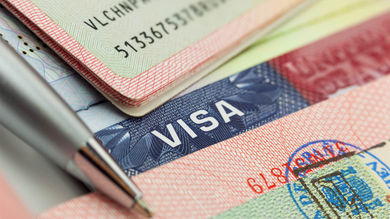
The UK’s Electronic Travel Authorisation is now a mandatory pre-travel requirement for nationals of many European countries visiting the United Kingdom. For individual travellers who move frequently between Europe and the UK for work, and for the businesses managing that movement, understanding the ETA properly is no longer optional. Getting it wrong has consequences that range from inconvenient to majorly disruptive.
What is the ETA?
The Electronic Travel Authorisation is a digital pre-screening requirement for nationals of visa-exempt countries who previously needed only a valid passport to enter the UK. It is not a visa and does not require a consulate visit or lengthy application. Instead, it is an online authorisation linked to the applicant’s passport and valid for two years.
For European nationals who previously enjoyed frictionless entry into the UK, the ETA is a shake-up in your arrival routine. It is a manageable change, but it requires awareness and action before departure, not at the boarding gate.
The application is simple enough, but if there is any doubt, the UK ETA VisaSyst application process covers the core requirements clearly for business travellers who want a structured route through the application rather than navigating official systems independently.
Which European Nationals Are Affected
EU nationals who are visa-exempt for UK visits now need an ETA before travelling. They don’t need a visa, but the ETA is the mandatory pre-travel step that replaces what was previously a no-requirement entry process.
Irish citizens are still exempt. This is a specific exemption rooted in the Common Travel Area arrangement between the UK and Ireland, which predates and sits entirely outside the ETA framework.
The ETA covers multiple trips within its validity period, which makes it a one-time administrative step for regular UK travellers rather than a recurring burden per trip. Once obtained and linked to the traveller’s passport, it operates invisibly in the background of subsequent journeys until it expires.
The Business Travel Implications
For businesses that regularly send employees to the UK, this is just another box to check before departure.
The risk of an ad-hoc approach is predictable. An employee may book last-minute travel to London and arrive at check-in without an ETA. A rushed application could result in a missed flight, meeting, and frustrated client.
None of that is the fault of the ETA system. It is the predictable consequence of treating a mandatory pre-travel requirement as an individual traveller’s afterthought rather than a systematic business process.
The same proactive approach can help with other aspects of employee travel. For longer stays, businesses may also need to help employees navigate accommodation and tenancy arrangements. Resources such as accommodation guidance, tenancy information, and an eviction notice template UK can help employees understand the formal steps involved when tenancy issues arise.
The businesses managing UK travel most effectively right now have done a few specific things:
- Audited their regular UK-bound travellers and confirmed ETA status across the relevant employees
- Updated travel request and booking processes to include ETA verification as a pre-departure step
- Built ETA application lead time into travel planning for any new hires or employees travelling to the UK for the first time
- Ensured that travel management functions — whether in-house or through a travel management company — are across the requirement and flagging it proactively
These are all simple process adjustments that take the ETA from being a potential disruption to being a managed background requirement.
Permitted Activities Under the ETA
One of the most important distinctions for European business travellers to understand is what the ETA actually permits. The ETA covers visits to the UK for legitimate business activities — attending meetings, conferences, negotiations, due diligence visits, client engagement, and similar professional activities where the traveller is not performing paid work in the UK.
For businesses coordinating travel across multiple European destinations, it is also important to distinguish UK entry requirements from those applying within the Schengen Area. Employees who regularly travel between European countries may need to check whether they require a Schengen visa in addition to meeting the UK’s separate ETA requirements.
Working in the UK falls outside what the ETA covers and requires appropriate work authorisation. This includes performing the functions of a role for a UK-based employer, delivering contracted services to UK clients in a sustained operational capacity, or any activity that constitutes employment in the UK.
The distinction between business visits and working in the UK is important. For standard business travel, the ETA is generally the appropriate authorisation. However, arrangements involving a sustained operational presence may require different immigration permissions.
If your business has employees who spend extended and recurring periods in the UK performing substantive work functions, a conversation with an immigration specialist about the correct authorisation framework is worth having sooner rather than later.
—
The ETA is part of the UK’s broader shift toward digital border management in the post-Brexit era. For European businesses, understanding these digital entry requirements is becoming a routine part of managing international travel.
The UK remains a major business destination, and obtaining an ETA is a relatively minor administrative step. For businesses operating across the channel, managing it properly is simply part of travel planning in 2026 and beyond.
Popular Articles
You Might Also Like
BGT finalist’s search for UK’s happiest workplaces
Why British Should Set Their Sights On Portugal Over Spain
Portugal isn’t outside the realm of typical expat destinations for British. With over 60,000 UK citizens in the Mediterranean nation, it is a popular place for living and retiring. Although Spain has always been the more readily chosen destination...
26th May 2021 · 3 min read
Access Bank Paris Launch to Strengthen Trade and Investment Links Between Africa and Europe
As part of its strategic moves to boost trade and investment between Africa and Europe, Access Bank Plc, one of Nigeria’s biggest financial services institutions, has established a new subsidiary in Paris, France.
18th May 2023 · 4 min read