




Email users are known to send an average of 122 emails at work every day, and the quantity is likely to grow. Your inbox contains a wealth of personal data like names, email addresses, attachments, and conversations.
20th May 2022 · 3 min readJapan or the Republic of Korea? 7 Things European SMEs Should Know Before Expanding into Asia
Posted on 27th October 2026 · 4 min read
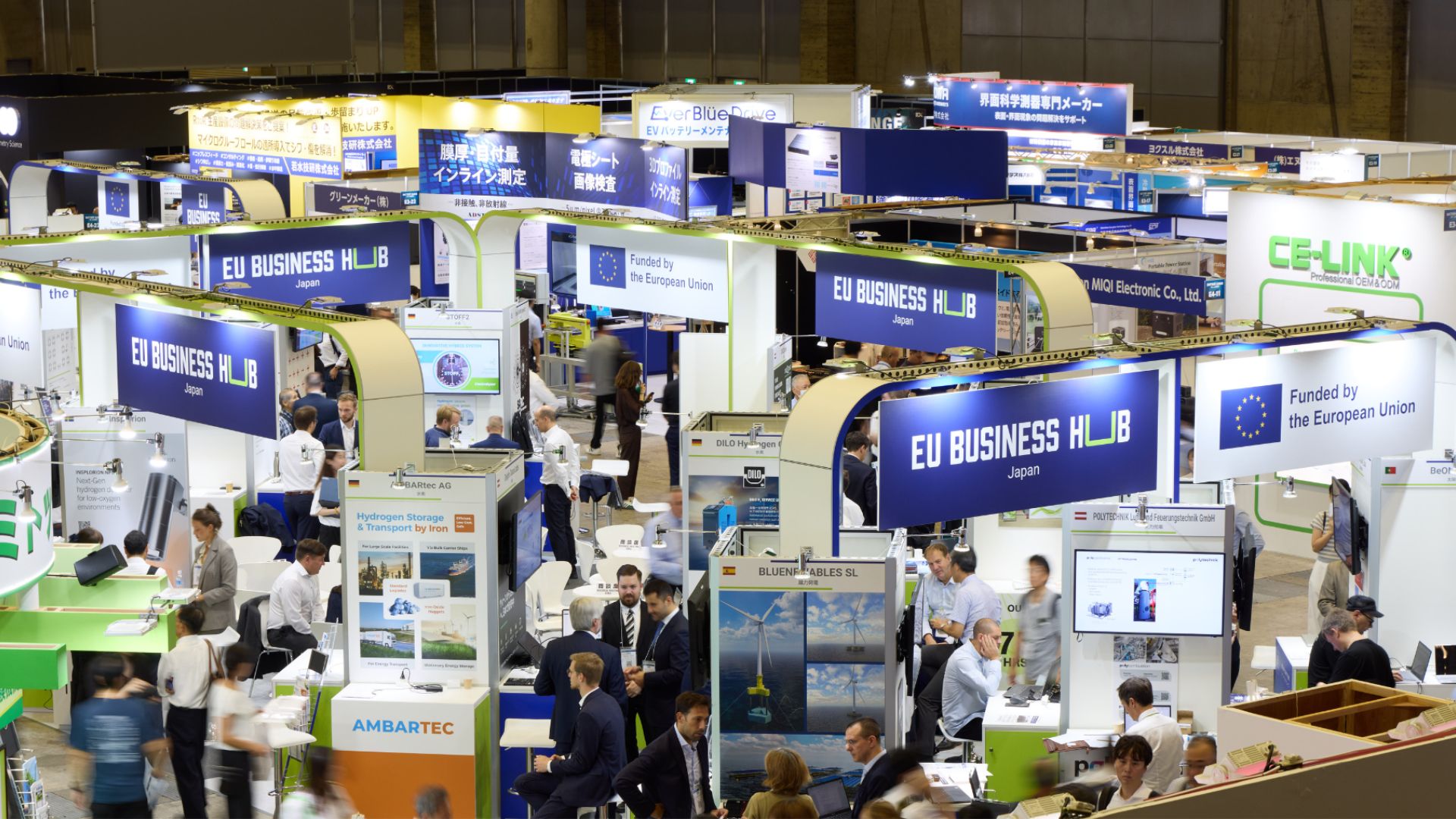
Japan and the Republic of Korea offer significant opportunities for European SMEs in healthcare, clean energy and advanced technologies. But which market is the better fit for your business? With the EU-funded EU Business Hub – Japan and the Republic of Korea programme supporting European SMEs in exploring both markets through targeted business missions, here are seven factors companies should consider before expanding:
- Different Investment Priorities
Japan’s energy transition is creating opportunities for European clean-tech suppliers. Under its Green Transformation (GX) strategy, the country aims to mobilise over JPY 150 trillion (approximately €850 billion) in public and private investment over ten years from fiscal year 2023, supporting renewable energy, hydrogen and industrial decarbonisation.
The Republic of Korea has strong electronics, semiconductor, automotive and medical technology industries, offering opportunities for European suppliers of specialised components and advanced technologies.
For SMEs: Identify where your solution fits into existing industrial supply chains.
- Ageing Populations Drive Healthcare Demand
In Japan, approximately 29% of the population is aged 65 or over, creating demand for elderly care, rehabilitation, assistive technologies and healthcare efficiency.
The Republic of Korea became a super-aged society in 2024, with over 20% of its population aged 65 or older. Its advanced digital infrastructure creates opportunities in diagnostics, AI-enabled medical devices and digital health.
For SMEs: Both markets offer healthcare opportunities, but potential customers and applications may differ.
- Local Partnerships Matter
In Japan, European SMEs can explore partnerships with manufacturers, distributors and engineering companies to reach customers and integrate technologies into established systems.
In the Republic of Korea, medical device distributors, manufacturers, research institutions and technology companies may provide relevant entry points.
For SMEs: Choose partners with access to your target customers and the technical capacity to support your product.
- Business Practices Require Preparation
Both markets value reliability, product quality and established business relationships. Decision-making processes, however, vary by company and sector.
European SMEs should prepare technical documentation, evidence of successful applications and a clear commercial proposition. Local-language support can facilitate negotiations and technical discussions.
For SMEs: Focus on demonstrating measurable value rather than relying on generic market-entry presentations.
- Regulatory Requirements Differ
Medical technologies face distinct regulatory frameworks. In Japan, the Pharmaceuticals and Medical Devices Agency (PMDA) reviews medical products, while in the Republic of Korea, the Ministry of Food and Drug Safety (MFDS) regulates medical devices.
Clean-energy technologies may also require local certification or compliance with technical standards.
For SMEs: Assess regulatory requirements early. European certification does not automatically guarantee market access.
- Test Before Investing
Entering either market does not necessarily require establishing a local office immediately. Distributors, technology partners and system integrators can provide access to customers and market knowledge.
Trade exhibitions and B2B meetings help companies assess demand, understand technical requirements and identify potential partners before committing substantial resources.
For SMEs: Validate your commercial proposition before making long-term investments.
- Direct Engagement Makes the Difference
Market research can identify promising sectors, but only direct discussions with potential customers reveal whether a specific technology meets their needs.
This is where initiatives such as the EU Business Hub – Japan and the Republic of Korea can help. Through sector-focused business missions, European SMEs can showcase their technologies, meet potential partners and gain first-hand insights into market requirements.
For SMEs: Use targeted meetings to test demand and identify opportunities for cooperation.
Take the Next Step
European SMEs looking to explore these markets can apply for three upcoming EU Business Hub missions:
EU Business Hub @ KIMES 2027 (17-21 March, Republic of Korea) offers healthcare and medical equipment companies opportunities to connect with potential Korean partners. Applications close on 15 November 2026.
EU Business Hub @ Smart Energy Week Spring 2027 (22-26 March, Japan) supports green and low-carbon technology providers exploring opportunities in renewable energy, hydrogen and related sectors. Applications close on 27 November 2026.
EU Business Hub @ Medical Japan 2027 Tokyo (24-28 May, Japan) connects European healthcare innovators with Japanese industry stakeholders. Applications close on 29 January 2027.
Selected participants can benefit from exhibition visibility, pre-arranged B2B meetings, business coaching, interpretation and tailored market-entry support.
Whether Japan or the Republic of Korea is the right market depends on where your technology can create value. The next step is finding the partners who can help bring it to market.
Learn more about how EU Business Hub can help SMEs enter Japan and the Republic of Korea.
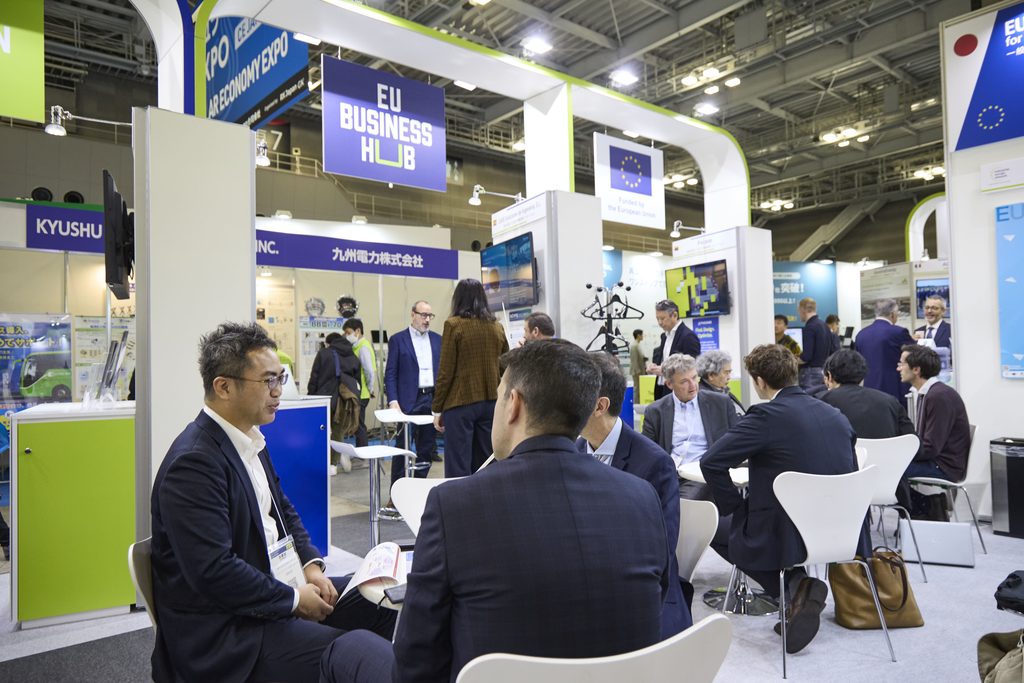
About EU Business Hub – Japan and the Republic of Korea
EU Business Hub – Japan and the Republic of Korea is an EU-funded programme launched in 2024 to support EU SMEs and start-ups in the Green and Low-Carbon, Digital, Healthcare and Medical Equipment sectors in expanding into the Japanese and Korean markets. Between 2024 and 2027, the programme is organising 20 sector-focused business missions – 10 in each market – with services including strategic coaching, matchmaking, local interpretation, and full logistical support. The EU Business Hub is the successor programme of the EU Business Avenues / EU Gateway to Japan.
Popular Articles




Why High-Net-Worth Investors Are Pivoting to AI and HealthTech in 2026
5 min read
The Hidden Cost of Employee Disengagement: A Wake-Up Call for Businesses
4 min read
Building Confidence in a Digital Economy: Why Cybersecurity Is Now a Business Imperative
3 min read
Best Instant Funding Prop Firms With No Hidden Rules
6 min read
You Might Also Like
EU & UK GDPR: 5 Things You Must Know About Email Consent

How Machine Learning Improves Business Processes: A Comprehensive Machine Learning Strategy for Business Success
In the fast-paced world of business, staying ahead of the competition requires leveraging cutting-edge technologies. One such technology making waves in the business landscape is Machine Learning (ML). ML has evolved from being a buzzword to a tra...
12th February 2024 · 4 min read
Aramex UK Looks to Strengthen Position in E-Commerce Market as Sector Tipped for Further Growth
Aramex UK, one of the country’s leading global logistics providers catering for SMEs and e-commerce brands, is poising itself for increase demand for its services this year as the sector gears up for further growth.
26th March 2024 · 4 min read