
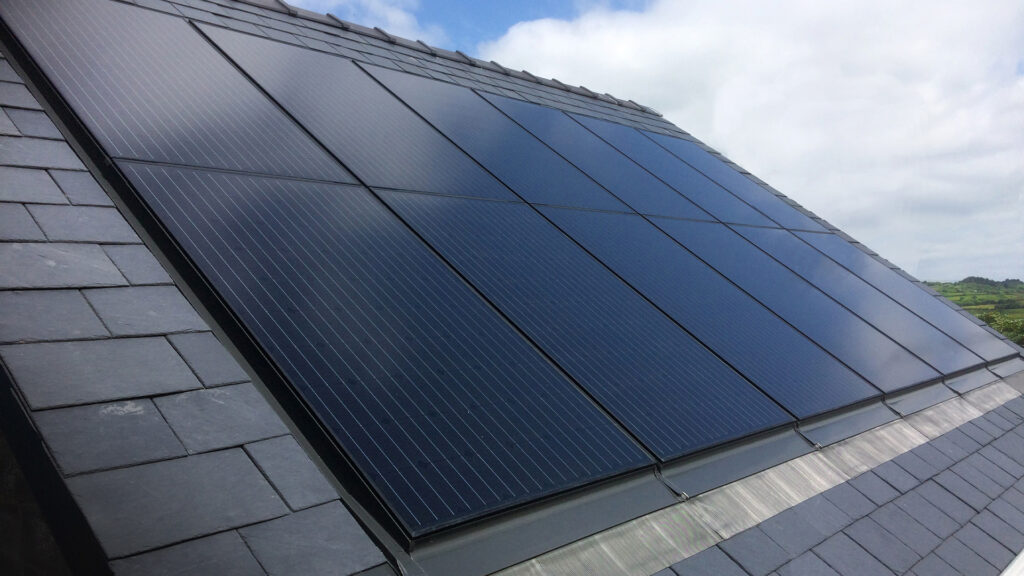
According to data from MCS (Microgeneration Certification Scheme), the UK’s quality mark for small-scale renewable energy, South Cambridgeshire has become the second local authority in England to have over 1 in 5 households with a certified renewable energy installation.

According to the LinkedIn 2023 Global Green Skills Report, one-third of all jobs advertised in the UK required at least one ‘green skill’.
The construction, transportation and retail industries have one thing in common with many other sectors of the economy: they are directly affected by the change in mobility policies. Numerous laws, directives, subsidies and restrictions flank the transition to sustainable mobility, affecting not only OEMs, fleet operators and logistics companies, but also housing and parking companies, manufacturers and sellers of goods, and anyone who has integrated vehicles into their day-to-day operations in any way.

Glastonbury 2024 has come and gone, marking another great year for music fans. The sprawling festival site, estimated to be around 900 acres, sees nearly 500,000 revellers call Worthy Farm their home for a few days, transforming this lush green space into one of the most densely populated places on earth - at least for five days. The level of logistics that goes into an event creates a lot of challenges for organisers - especially for sustainability. It’s an issue that festivals and event organisers have long tried to tackle and make a key part of industry practice.
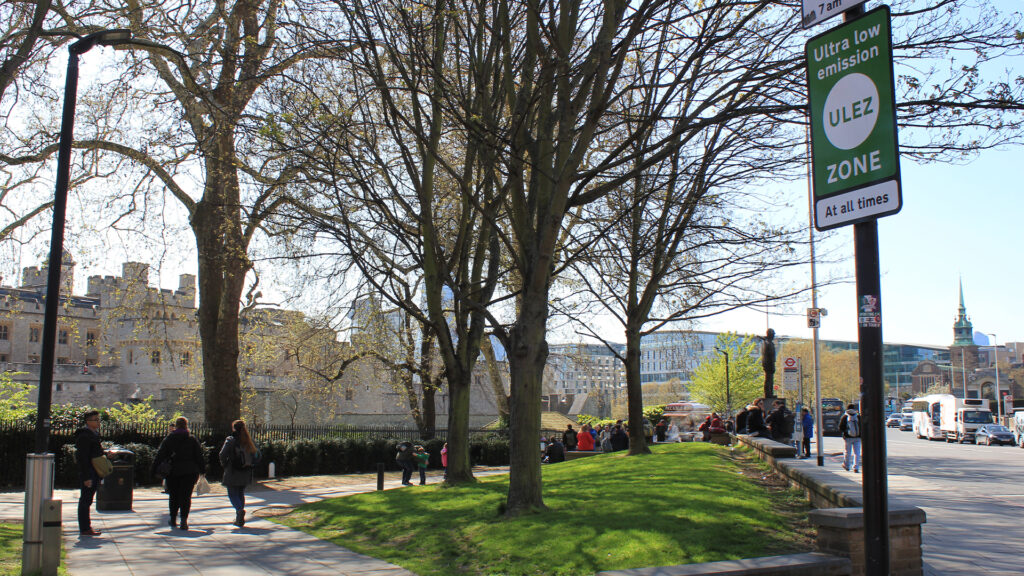
Signs bearing the latest Low Emission Zone (LEZ) guidelines have become a familiar sight in European urban areas, with 320 LEZs now in play across the continent and 500 expected by 2025. The system has been praised for improving air quality in cities, while reducing overall road traffic and boosting the local economies in which they operate. According to the latest statistics, Italy is blazing a trail with 172 LEZs across the country, followed by Germany with 78. Most other countries meanwhile remain in their infancy with each boasting fewer than 20.

Sustainability is a fervent topic within Europe at the moment. As the EU looks to cultivate a circular economy within its member states and empower them towards net zero, much of its sustainability reporting practices have come under heavy scrutiny in recent years.
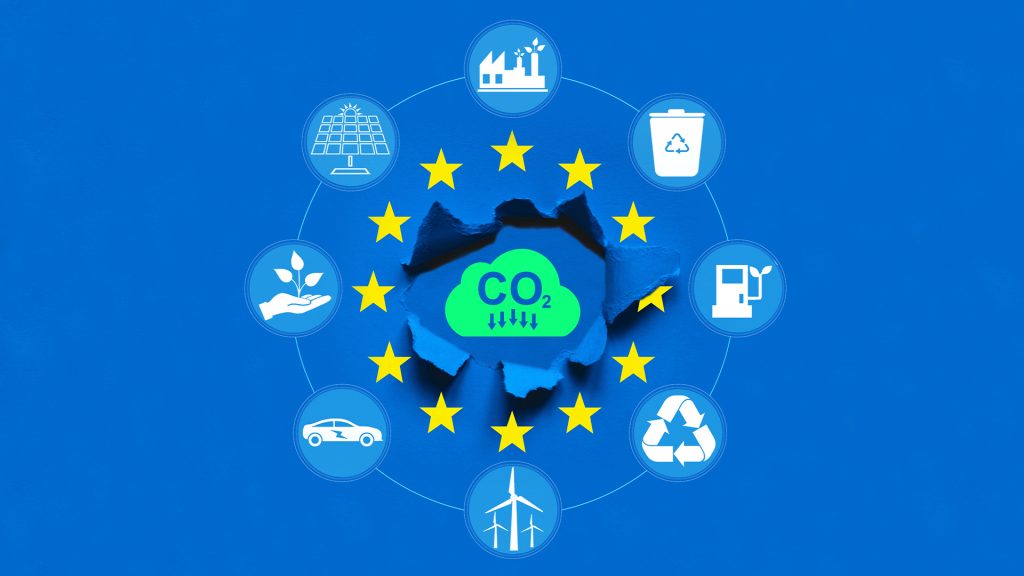
European businesses and institutions have been striving hard to achieve a variety of different sustainability goals over the last several years. As climate change and global temperature rises have dominated news cycles, many have taken ambitious steps to optimise their resources while maintaining that all-important competitive edge. Economic turbulence and geopolitical disruption have certainly not made matters any easier whatsoever.

As life expectancies rise and birth rates decline across the developed world, cities are confronting a stark new reality - they are greying at a rapid pace.

In the current economic climate, business owners in the UK are continually seeking methods to enhance their performance and gain a competitive edge.

In today's rapidly evolving landscape, where safety and efficiency reign supreme, safety glazing in office buildings stands as a cornerstone of modern construction.

In 2020, Durham-based Hargreaves Services, one of the last remaining coal mine operators in the UK, began to wind down its mining operations.

The Fourth meeting of the Intergovernmental Negotiating Committee on Plastic Pollution, took place in Ottawa, will consider the latest draft Treaty on plastic pollution. However, according to Symphony Environmental Technologies Plc, specialists in biodegradable plastics, the draft has a major gap as it fails to address the issue of plastics that get into the open environment and cannot be collected.