
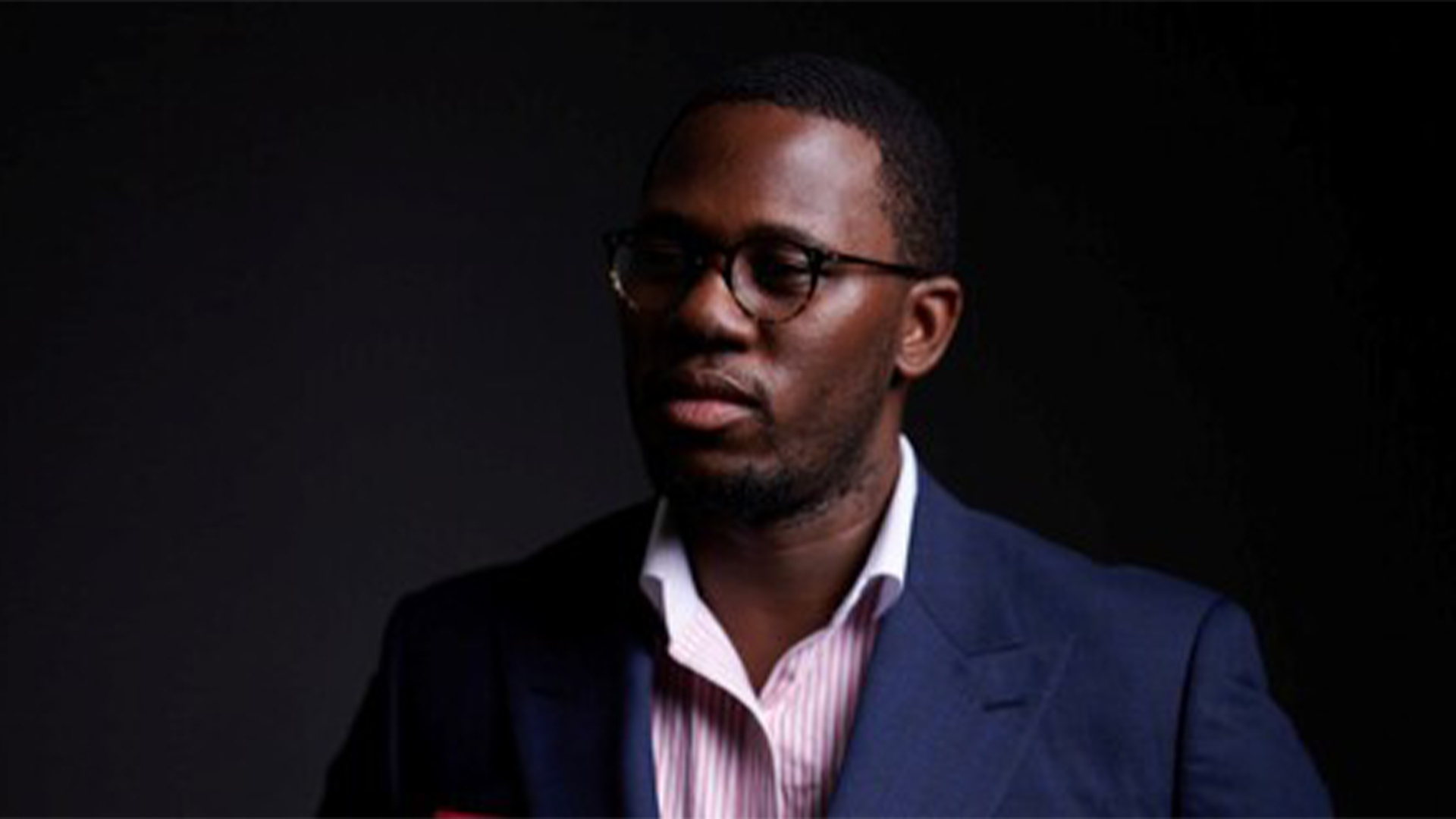
This exclusive interview with Dr Bulelani Jili was conducted by Tabish Ali of the Motivational Speakers Agency.
AI governance now shapes who controls data, digital infrastructure and influence across borders. The decisions governments and technology companies make today will affect global power, civil liberties and access to the data needed to build future AI systems.
Dr Bulelani Jili is a technology speaker and global authority on AI governance, surveillance and digital power. He is an Assistant Professor at Georgetown University’s Edmund A. Walsh School of Foreign Service and a Faculty Associate at Harvard Law School’s Berkman Klein Center for Internet and Society. Champions Speakers
In this exclusive interview with the AI Speakers Agency, Bulelani examines the politicisation of AI, the growing importance of digital sovereignty and how leaders can approach cyber security within a wider cultural, political and geographical context.
Q1. Why is AI governance now central to the balance of global power?
Dr Bulelani Jili: “Our supply chains have become increasingly politicised. They concern more than the movement of commodities and connecting them with the requisite suppliers. The structure itself has become a node of tension, with parties in different countries leveraging those nodes to pursue their own political interests.
“AI is also disruptive. It asks us to think more critically about the future of work and the nature of cyber security. Its disruptive nature raises traditional regulatory questions while asking us to consider the possibilities for our futures.
“AI is heavily politicised because stakeholders recognise the scale of change it brings. Many see it as an opportunity to further economic disruption or scale the means of disrupting traditional networks within the cyber security space.
“AI is political because of both the scale and rate of change.”
Q2. How are today’s AI decisions reshaping digital sovereignty and future geopolitical influence?
Dr Bulelani Jili: “Questions about AI are having several influences. One of the most significant concerns digital sovereignty.
“Countries across the Global North and Global South want greater control over their data, which is a requisite ingredient in AI. As a result, countries are seeking to localise their data.
“Some countries consider data to have a categorical value contingent on cultural or indigenous grounds. Others view it as a commodity with a tradable value and want greater control over it. This thinking has been extended through the metaphor that data is the new oil.
“That metaphor has received considerable attention, but it is partly misleading. Data’s value depends on its scalability and processing. Its value is contingent on what we can do with it.
“This shift has changed how countries think about digital sovereignty, particularly where and how they house their data. AI companies will operate in an environment where access to data becomes increasingly politicised and potentially more difficult.
“That will change the nature of business and how companies interact with governments. As we consider AI-powered futures, we must think carefully about how we manage sources of data.”
Q3. How should leaders balance cyber security, operational efficiency and civil liberties in digital systems?
Dr Bulelani Jili: “The most important step is to broaden our understanding of cyber security.
“Cyber security is no longer simply a question of networks. It is also a cultural, political and geographical question.
“Broadening how we understand cyber security will allow us to better balance the challenges we face today.”
Q4. What do you want audiences to reconsider about technology and the future after hearing you speak?
Dr Bulelani Jili: “I want people to recognise that the future has not been predetermined and that we are part of the solution we are looking for.
“Our futures will be filled with technology and our aspirations for it.”