







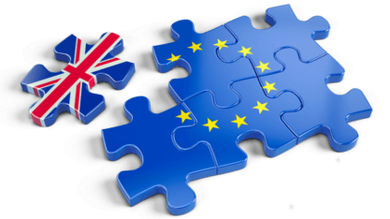
Crucial gains for disability rights secured by the business community must not be reversed post-Brexit due to a lack of planning and preparation, Business Disability Forum has warned.
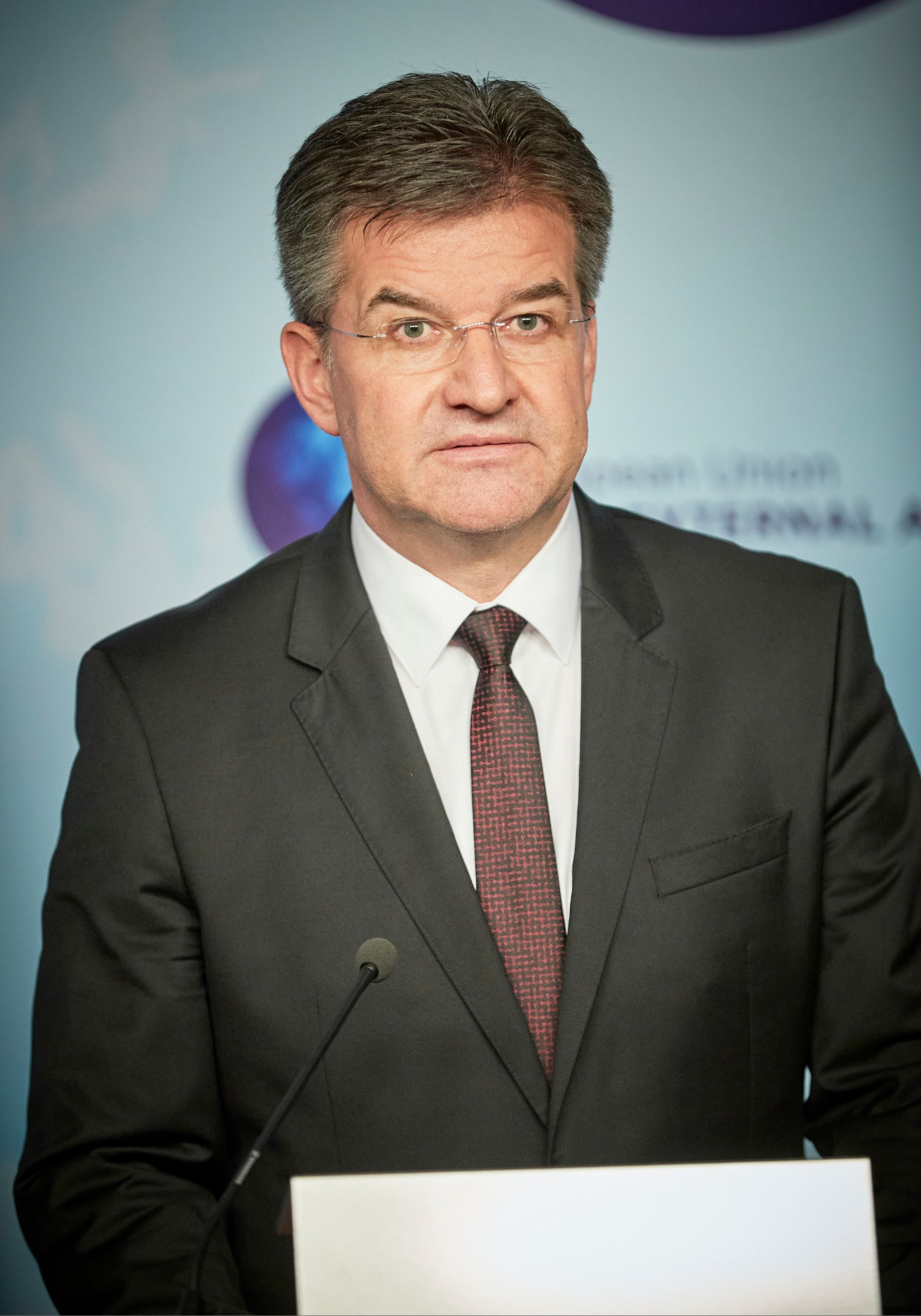
16th February 2018 · 3 min readMiroslav Lajčák: what a 2006 referendum in the Balkans taught the Slovak diplomat about negotiation
Posted on 13th July 2026 · 3 min read
In June 2026, as European leaders gather in Athens to debate the future of transatlantic security, it is worth looking back two decades to a smaller but instructive episode in European diplomacy: the 2006 Montenegrin independence referendum.
That year, the European Union faced a delicate problem. Montenegro wanted to separate from its union with Serbia, but the region’s recent history made any vote on statehood a potential flashpoint. The break-up of Yugoslavia in the 1990s had shown how quickly questions of independence could turn violent. Brussels needed someone who could design a process precise enough to be accepted by all sides, and credible enough to hold up under scrutiny once the votes were counted.
The EU turned to Miroslav Lajčák, a Slovak diplomat who had already spent years working on Balkan affairs, including a stint as Executive Assistant to the UN Secretary-General’s Special Envoy for the Balkans. He was tasked with organising and supervising the referendum itself, down to setting the specific threshold required for the result to stand.
The number he settled on, a 55% threshold for independence to pass, became known as the “Lajčák formula.” It was tight enough to be credible to Serbia and the unionist camp, and achievable enough to be acceptable to Montenegro’s independence movement. When the vote came in at just over 55%, both sides accepted the outcome. Montenegro became a state. No violence followed.
It is easy, twenty years on, to treat that as a footnote. It should not be. The post-Yugoslav region produced almost every kind of contested separation imaginable, several of them violent. Montenegro’s vote stands out as one of the few that was negotiated, accepted, and closed without bloodshed. Lajčák has called it the defining achievement of his career, and it is not hard to see why: the technical design of a referendum threshold rarely gets remembered, but it was that design, more than any speech or summit, that made a peaceful outcome possible.
The episode also explains something about how Lajčák has approached the rest of his career. He went on to serve as EU High Representative in Bosnia and Herzegovina, as Slovakia’s Minister of Foreign and European Affairs across four terms, as President of the 72nd UN General Assembly, and most recently as EU Special Representative for the Belgrade-Pristina Dialogue between Serbia and Kosovo. In each case, the brief was similar: take a dispute that outsiders assumed could only be managed by force or stalemate, and find the procedural mechanism that lets both sides walk away with something they can defend at home.
That is a different skill from the kind usually celebrated in diplomacy. It rewards patience over rhetoric, and precision over grand gestures. As Western governments now debate how to manage a more volatile security environment, from the war in Ukraine to a fraying transatlantic consensus, it is a reminder that some of the most consequential diplomatic work happens quietly, in the details of how a process is built rather than in the speeches given about it.
Lajčák is currently in Athens for the Athens Defence Conference, where European and transatlantic officials are meeting to discuss exactly these questions: how alliances hold together, and what kind of diplomatic groundwork keeps disputes from turning into conflicts. Few people in the room will have more direct experience of what that groundwork actually looks like in practice.
Popular Articles
You Might Also Like
Businesses Unprepared for Threats to Disability Rights post-Brexit

IT Designed to Suit Garment Manufacturing Supply Chains
Significant changes are under way in the garment and apparel manufacturing industry. In many cases they are both driving and being driven by digitalisation in the sector. If the UK’s many smaller garment manufacturers are to treat these changes as...
24th May 2021 · 5 min read
Remote and Hybrid Work: What Actually Drives Productivity Across EU Teams?
Few operational questions matter more to a growing European company than this one: does working across multiple EU countries help or hinder team performance? For Denis Salatin, founder & CEO at Lumitech, the answer has come from years of runni...
6th July 2026 · 4 min read