




As time goes on, the way things are conducted changes. Whether In this article, we’ll look at the different shopping habits consumers have experienced over the years.
22nd October 2021 · 3 min readStratstone Contributes to Circular Economy
Through servicing customers’ vehicles at their 50+ sites nationwide, Stratstone generates used lubricating oil which is now sent through a re-refinery process supported by oil recovery specialists Slicker Recycling.
Posted on 11th April 2023 · 2 min read
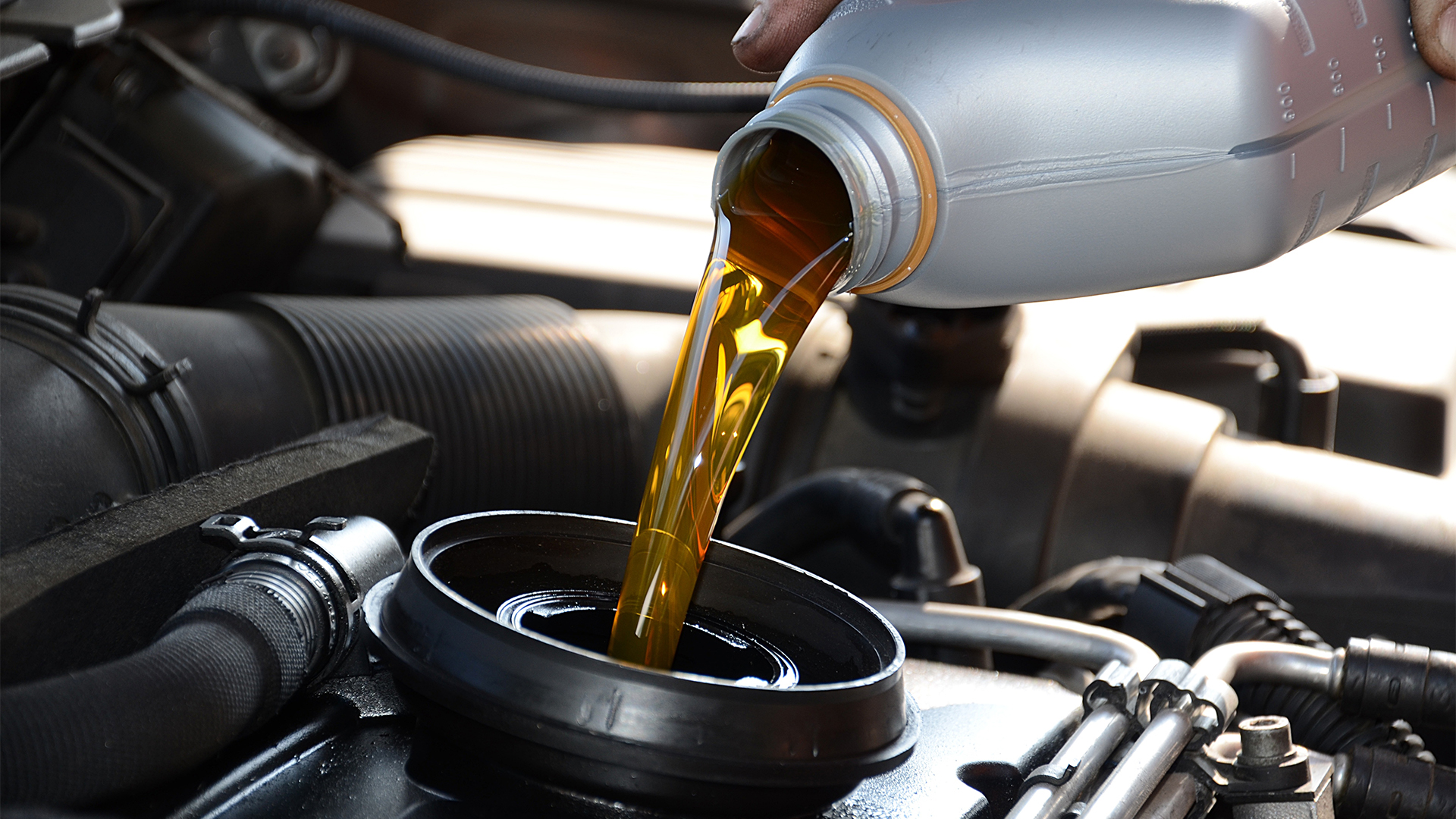
Strastone has taken action to sustainably manage its waste oil as part of a collaboration with Veolia
Through servicing customers’ vehicles at their 50+ sites nationwide, Stratstone generates used lubricating oil which is now sent through a re-refinery process supported by oil recovery specialists Slicker Recycling. This process transforms the oil back into a base oil product which is used as a key component for new lubricating products.
Of the 700,000 litres of used oil Stratstone sends to be recycled each year, approximately 60 percent is processed into base oil, with the remaining material reused for new purposes. By recycling the used oil into new base oil products, this preserves resources and will save over 340,000 kg of carbon dioxide (CO2) each year.
As part of the JMG contract, Veolia will also continue to implement carbon-efficient recycling routes for all other waste streams including dry mixed recycling, cardboard, metal and hazardous materials and general waste. Recycling of materials from waste streams has a lower carbon footprint than using virgin materials so this new initiative will continue to significantly lower carbon emissions.
By monitoring the performance of the recycling processes, using the Veolia customer hub, Stratstone can also access the real time data on all their waste streams giving greater traceability, minimising the carbon footprint and impact on the environment.
Finance director at Stratstone, said: “Through our ongoing relationship with Veolia and Slicker Recycling, we have found a simple but effective way to manage our carbon output and minimise our environmental impact by now recycling 100% of our waste oil back to base oil.”
Keith McGurk, managing director – commercial & fleet, at Veolia added: ” Our ambition is to achieve ecological transformation by tackling climate change, resource depletion, pollution, and biodiversity collapse. Key to addressing these is effective recycling that significantly reduces carbon emissions. By using existing and new innovative solutions this contract now highlights the way the automotive industry can accelerate this process and achieve a low carbon future.”
Popular Articles




Best Bilingual IB School 2026 – Attica
5 min read
5 Best Enterprise Risk Management Software to Retire the Risk Register Spreadsheet
7 min read
Japan or the Republic of Korea? 7 Things European SMEs Should Know Before Expanding into Asia
4 min read
Best AI Contract Review Software in 2026: Three Tools and Who Each One Suits
4 min read
You Might Also Like
How Shoppers’ Habits Have Changed

Automotive Transformation Group Predicts Top Six UK Digital Car Retailing Trends to Watch in 2022
Today, with the acceleration in UK automotive ecommerce continuing to grow, leading solutions provider, Automotive Transformation Group has laid out its predictions for the next big trends to watch in selling cars online for the year ahead.
23rd February 2022 · 6 min read
Cell Impact is One of the Fastest Growing Tech Companies in Sweden
The need for green technology that can solve the climate crisis has increased sharply. This applies in particular to the demand for hydrogen technology.
23rd February 2023 · 2 min read