




The UK has always been a popular place to live and work for EU citizens, and it used to be that all an EU resident would need to do is pack their suitcase and jump on a plane. Since 2020, however, things have got a little more complicated for thos...
30th June 2022 · 4 min readWhy European Investors Turn to Gold as Currency Risk Rises
Posted on 23rd November 2026 · 3 min read

Across Europe, growing concerns about currency stability, inflation, and economic uncertainty are encouraging investors to reconsider how they protect their wealth. From Germany and France to Italy and the United Kingdom, physical gold is attracting attention as an alternative to traditional financial assets. As governments confront mounting debt, shifting monetary policies, and geopolitical tensions, gold’s historical role as a store of value is becoming increasingly relevant.
Currency Volatility Raises Concerns Across Europe
European investors face a complicated financial environment. The euro and British pound remain vulnerable to fluctuations driven by interest rate decisions, economic growth expectations, and international capital flows. Meanwhile, differences between European Central Bank policies and those of the U.S. Federal Reserve can create additional currency volatility.
For investors seeking protection against these uncertainties, physical gold bars offer an asset that is not directly tied to the creditworthiness of any government or the monetary policy of a single central bank. Unlike traditional currencies, gold cannot be created through monetary expansion, making it an attractive consideration for individuals concerned about long-term purchasing power.
Inflation and Government Debt Strengthen Gold’s Appeal
Europe’s economic challenges extend beyond currency fluctuations. Elevated government debt, persistent fiscal deficits, and inflationary pressures continue to influence household finances and investment decisions.
Countries including France, Italy, and the United Kingdom face difficult choices involving public spending, taxation, and borrowing costs. Rising debt-servicing expenses can constrain government budgets, while inflation reduces the purchasing power of savings held in cash.
Gold has historically attracted demand during periods of monetary uncertainty. Although its price can fluctuate considerably, its limited supply and global recognition distinguish it from currencies that central banks can expand.
For European households concerned about preserving wealth across generations, these characteristics help explain gold’s enduring appeal.
Central Banks Reinforce Confidence in Physical Gold
European investors are also watching central bank activity.
Poland has emerged as a notable gold buyer, expanding its reserves as part of a broader effort to strengthen financial resilience and diversify reserve assets.
Other central banks worldwide have similarly increased their gold holdings, reflecting concerns about geopolitical risks, currency concentration, and long-term monetary stability.
While central bank purchases do not guarantee higher gold prices, they demonstrate gold’s continuing importance within the international financial system.
Why Physical Gold Appeals to European Investors
Physical ownership offers characteristics that distinguish gold from stocks, bonds, and bank deposits.
Gold coins and bars can be held outside the traditional banking system, reducing direct exposure to individual financial institutions. Recognized bullion products also trade internationally, providing access to buyers across different currencies and markets.
However, investors must consider storage expenses, insurance, dealer premiums, and potential resale costs. Gold produces no interest or dividends, and its value can decline, particularly over shorter periods.
Gold’s Role in an Uncertain European Economy
As European economies navigate currency volatility, rising public debt, and geopolitical uncertainty, physical gold remains an established option for diversification.
Its appeal is not based solely on expectations of rising prices, but also on its independence from individual currencies and national monetary systems.
For European investors evaluating long-term financial resilience, gold represents a tangible asset with centuries of monetary history. While it cannot eliminate investment risk, its distinctive characteristics help explain why interest in physical precious metals persists during periods of economic uncertainty.
Disclaimer: This article is for educational purposes only and does not constitute financial or investment advice. Precious metals prices fluctuate, and investors should evaluate their individual financial circumstances before making purchasing decisions.
Popular Articles




Best Bilingual IB School 2026 – Attica
5 min read
Best AI Contract Review Software in 2026: Three Tools and Who Each One Suits
4 min read
Best AI Penetration Testing Tools for Enterprises
4 min read
Japan or the Republic of Korea? 7 Things European SMEs Should Know Before Expanding into Asia
4 min read
You Might Also Like
What Visas Are Available for EU Citizens Looking to Work in the UK?
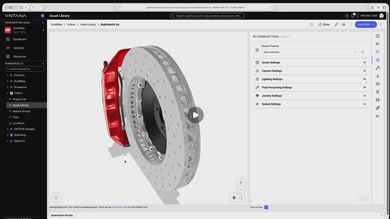
Best 3D Parts Catalog Software in 2026: Seven Tools Compared
Ask a service technician in Bavaria or the Midlands how they find a replacement part and the answer is often the same. They open a PDF, squint at a numbered line drawing, count callouts, then phone the manufacturer to check they have the right num...
28th September 2026 · 8 min read
Alfa Laval Launches New Multipurpose Membrane Filtration System
With sterling volatility affecting SME pharmaceutical and food manufacturer costs around raw materials and ingredients, a prominent processing equipment supplier is highlighting the importance of flexibility in production lines.
3rd November 2022 · 2 min read