This exclusive interview with Erik Vermeulen was conducted by Tabish Ali of the Motivational Speakers Agency.
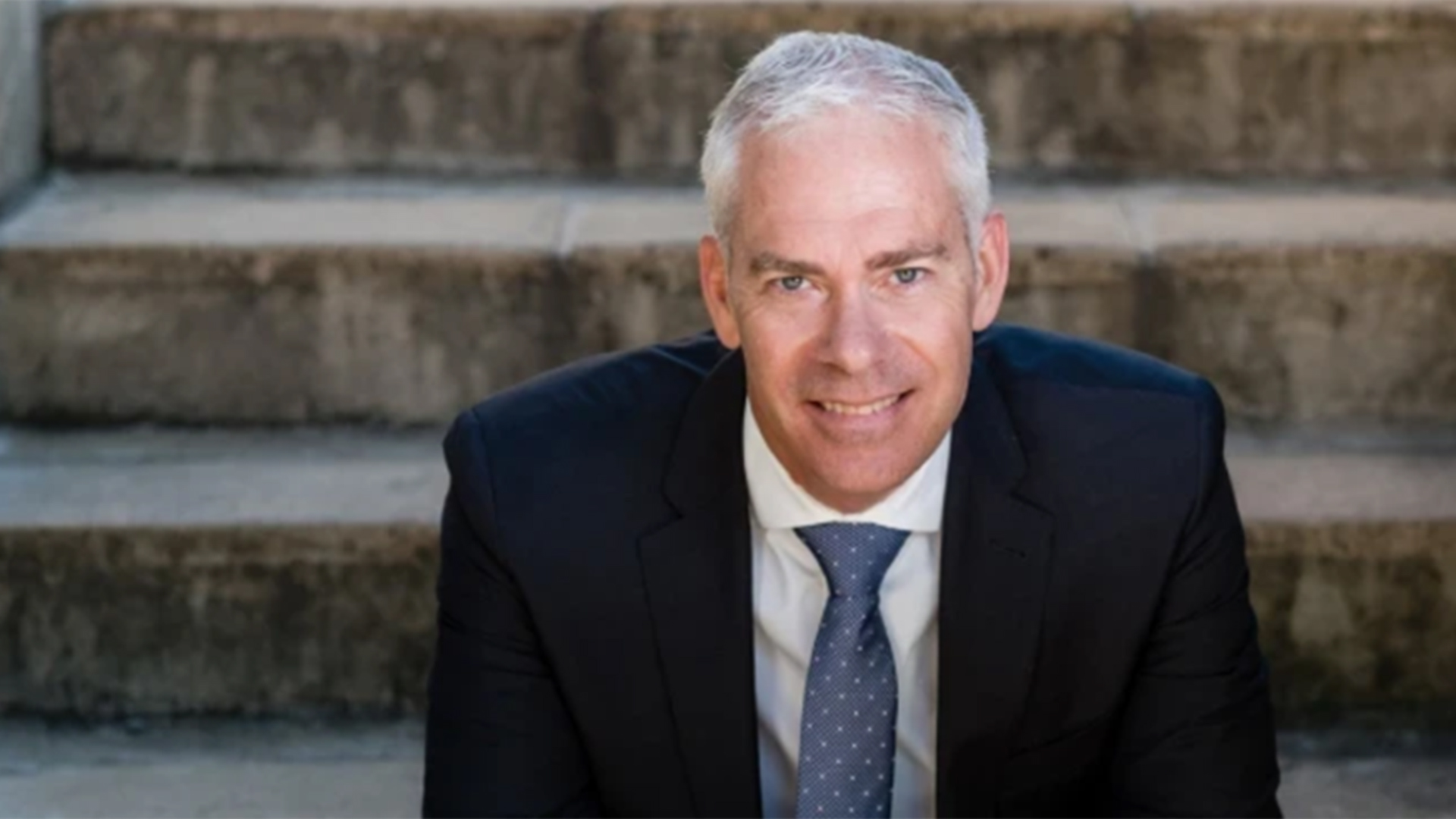
Erik Vermeulen is a behavioural strategist and Managing Director of Ridgeline Consulting, with more than 20 years’ experience advising organisations on culture, leadership and performance. His work also draws on years of leading expeditions through demanding environments, where uncertainty is unavoidable rather than theoretical.
That combination shapes his approach to organisational behaviour. Erik examines how people make decisions under pressure, what separates effective teams from groups of individuals, and why rapid growth can gradually weaken the culture that made a company distinctive in the first place.
In this exclusive interview with the Motivational Speakers Agency, Erik discusses what expedition leadership can teach businesses about uncertainty, the conditions high-performing teams need to succeed, why company culture often becomes diluted during growth and how leaders can help people adapt as the pace of change accelerates.
Question 1. What have leading expeditions in uncertain environments taught you about how business leaders should operate when outcomes are unpredictable?
Erik Vermeulen: “One of the big challenges in business today is how we deal with uncertainty.
“Many years ago, when I co-authored my first book on how adventure experiences can be used to build teams, we looked at the essence of adventure.
“For a long time, we thought adventure was defined by a set of activities or an endeavour, such as climbing a high mountain or taking a team on an expedition. But we found that adventure actually refers to any undertaking where the outcome is uncertain.
“That is life. That is business.
“We tend to mask the uncertainty of life and business through the rituals, routines and structures we create around ourselves and our teams.
“But we have no certainty about whether we’re going to be around tomorrow, next week, next month or next year to meet our sales targets or lead our teams.
“When I lead expeditions into unknown territories, where people are walking across a desert or climbing a mountain, there is a high degree of uncertainty.
“That’s why I believe adventure is such a powerful lens through which to look at leadership, teams and behaviour.”
Question 2. What distinguishes a genuinely high-performing team from a collection of talented individuals working towards the same target?
Erik Vermeulen: “There are two main things that separate great teams from groups of individuals.
“The first is culture: the unwritten rules within which the team operates. What is accepted? What isn’t accepted? What behaviours take us towards what we want to achieve, and what takes us away from it?
“Great teams are very clear about what is tolerated and accepted within the team and what is not.
“The second aspect is more controversial: great teams know where they start and where they end.
“Often in corporate teams, we’re a group of people who work together year in and year out, chasing the next target or the next deal.
“Really great teams have the ability to set a particular goal, follow the process that allows them to achieve it, and then reset afterwards.
“Great teams have a beginning and a very definite end to their teamwork before they reset and tackle the next challenge.”
Question 3. Why does rapid growth so often dilute company culture, and what should leaders be watching for as an organisation scales?
Erik Vermeulen: “Every organisation has some form of growth metric that defines it. They want to be bigger than last year, better than last year, make more sales or build more of whatever it is they build.
“Growth is where your problem starts in terms of culture.
“I use the metaphor of cordial to explain it.
“The glass is the structure that allows us to do business. We add the problem that we solve for our customers. That’s the cordial, the syrup. Then we add water.
“Every company gets its flavour right at some point: just the right amount of syrup and water.
“The water is your brand, your people, what you believe, what you stand for and your processes.
“When we get our flavour right, everybody loves us. When everybody loves us, more people want more of us. That’s when growth starts.
“The problem begins when we keep adding more water. The more we grow, the more people we employ, the more diverse their outlooks and goals become.
“The founder’s vision becomes further removed from the people who work within the organisation.
“If we keep adding water, sooner or later we become bland. We taste like everybody else.
“When we’re just like our competitors, we become a commodity. At that point, purchasing decisions, client decisions and market decisions become based on price rather than our unique flavour.”
Question 4. What do you want business leaders to understand about motivation, behaviour and adapting to change?
Erik Vermeulen: “Motivation is like a hot bath. You have to top up the hot water every couple of minutes.
“I don’t want audiences to go away simply feeling motivated.
“I want them to understand how human behaviour and decision-making haven’t changed in hundreds of years, despite the world around us changing faster every year.
“I want us to understand how our behaviour, leadership and psychology can help us become more successful, despite being inherently slow to adapt while the world around us changes ever faster.”