




The global AI race is moving faster than ever, with countries competing to become number one, however this rat race could cause disastrous consequences for the world, according to new research from ESCP Europe
15th November 2018 · 2 min read7 European Logistics Hubs UK Sellers Should Know About in 2026
Posted on 17th November 2026 · 5 min read
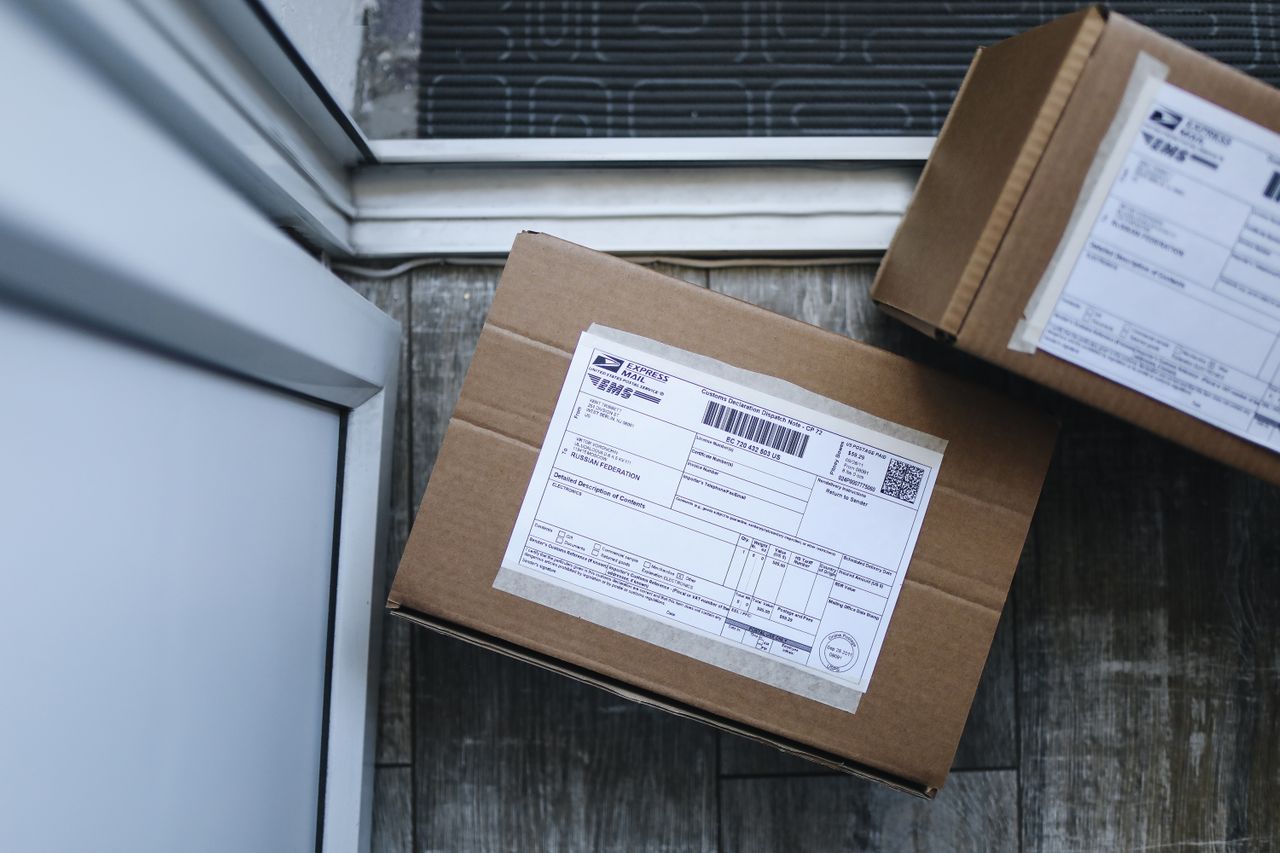
Seven hubs handle most of the EU stock that UK online sellers hold on the Continent: Rotterdam, Venlo, Tilburg, Hamburg, Poznań and Łódź, Prague and Liège. The Dutch hubs give the widest next-day reach, Poland the lowest costs and Liège the fastest air links to Asia. Choose where your customers actually are.
Since Brexit, every parcel a UK seller sends to an EU customer crosses a customs border. Many brands have responded by holding stock inside the EU, but “a warehouse in Europe” covers very different places with very different costs. This guide is for UK brands weighing their first EU stock location, and covers what each main hub is good for and what it costs.
Why Do UK Sellers Need a Logistics Hub Inside the EU?
Stock held inside the EU ships to customers as a domestic parcel, with no customs declaration, no duty surprise at the door, and delivery times that match local competitors. The hub you pick then decides how many of those customers you can reach overnight and what you pay per pallet to store the goods.
Most providers cluster in the same few places. UK-founded operators such as J&J Global Fulfilment run sites in Venlo and in Gorzów on the Polish-German border, while multi-country networks such as Gonini fulfilment in the Netherlands, Poland and Germany let a brand split stock across the hubs below under a single contract.
The table below summarises the seven hubs before the detail.
| Hub | Country | Best for | Main trade-off |
| Rotterdam | Netherlands | Brands importing by sea from Asia | Port congestion at peak |
| Venlo | Netherlands | Next-day reach across Benelux and Germany | Higher rents than Central Europe |
| Tilburg | Netherlands | Dedicated ecommerce fulfilment | Tight land supply |
| Hamburg | Germany | German, Nordic and Baltic customers | Further from France and Spain |
| Poznań and Łódź | Poland | Low cost with German reach | Slower to Western Europe |
| Prague | Czech Republic | Central European markets | Smaller provider choice |
| Liège | Belgium | Air freight and fast Asian supply | Better as a gateway than a store |
Read each entry below against your own EU sales data.
Which European Logistics Hubs Matter Most for UK Sellers?
1. Rotterdam, Netherlands
Rotterdam is Europe’s largest port and the arrival point for much of the stock UK brands source from Asia. In 2025, it handled 428.4 million tonnes of cargo and 14.2 million containers (TEU), with container volumes up 3.1% on the year. For a seller importing by sea, warehousing near the port cuts out a leg of inland transport before goods can be sold. The trade-off is congestion: the Port Authority reported pressure on inland road and barge connections during 2025, which can slow inbound stock at peak. Rotterdam suits brands with large, regular container imports more than those receiving small mixed shipments from the UK.
2. Venlo, Netherlands
Venlo sits on the Dutch-German border and has long been treated as the logistics hotspot of the Netherlands, helped by the country’s largest inland rail terminal. Operators based there quote next-day reach to around 170 million consumers across the Netherlands, Germany and Belgium. That makes it the default choice for UK brands whose EU sales lean towards Germany and Benelux. The cost is rent: Dutch prime logistics rents reached around €9.20 per square metre per month by mid-2025, among the highest in Europe.
3. Tilburg, Netherlands
Tilburg-Waalwijk, in North Brabant, has repeatedly been voted the Netherlands’ logistics hotspot of the year by a panel of experts convened by Logistiek.nl, and has also topped the category for national and cross-border e-fulfilment. Its strengths are labour availability, motorway access to Rotterdam, Antwerp and Germany, and a local authority that actively supports logistics development. For a UK brand, Tilburg offers much the same reach as Venlo with a strong concentration of e-commerce-specific operators. The trade-off is land: the region has scored lower than rivals on the availability of new sites, so expansion space can be harder to secure.
4. Hamburg, Germany
Hamburg is Germany’s largest seaport and the natural hub for brands selling into Germany, Scandinavia and the Baltic states. The port handled 8.3 million TEU in 2025, up 7.3%, with fast-growing container traffic to Poland, Denmark and Finland. A Hamburg warehouse puts stock inside Europe’s biggest eCommerce market, which matters for German shoppers who expect fast delivery and local return addresses. The trade-off is geography: France, Spain and Italy are a longer haul from northern Germany than from Benelux, so Hamburg works best when your orders cluster in the north and east rather than across the whole EU.
5. Poznań and Łódź, Poland
Poland has become the low-cost alternative for EU stock. Combined warehouse and labour costs run roughly 20 to 40% below the Netherlands or Germany, according to 2026 industry estimates, and base rents around Poznań ranged from €3.85 to €4.30 per square metre per month in June 2026. Poznań sits about 270 km from Berlin, giving next-day reach into eastern Germany. Łódź, in central Poland, recorded 1.17 million square metres of logistics demand in 2025, the second-highest in the country. The trade-off is transit time: France, Belgium and Scandinavia take noticeably longer to reach from Poland than from a Dutch base.
6. Prague, Czech Republic
Prague serves brands whose EU customers are spread across Central Europe, including the Czech Republic, Slovakia, Austria and southern Germany. Amazon runs fulfilment centres in the Czech Republic, alongside established carrier networks and experienced warehouse labour around the capital. For a UK seller, a Czech site is usually a second location rather than a first, added once Central European orders justify their own stock. The main trade-off is choice: there are fewer English-speaking, eCommerce-focused fulfilment providers than in the Netherlands or Poland, so shortlisting takes longer, and contract terms vary more.
7. Liège, Belgium
Liège Airport is a cargo-focused hub that handled 1.325 million tonnes of freight in 2025, up 14% on the year and the strongest growth among Europe’s ten largest cargo airports. Its 24-hour operations attract eCommerce flows from Alibaba’s logistics arm Cainiao, Amazon and Temu. For UK brands, Liège matters most as an inbound gateway: stock flown in from Asia can clear into the EU there and move by road to a Dutch or German warehouse within hours. It is less often the place to hold long-term stock, but for fast-moving products sourced by air it can shave days off replenishment.
How Should a UK Seller Choose Between These Hubs?
Start with your order data rather than the map. If most EU orders go to Germany and the Benelux, Venlo or Tilburg will cover them overnight. If they skew towards Poland, Czechia and Austria, a Polish or Czech site costs less and arrives faster.
A common pattern is one Dutch site first, with a second in Poland added once Central European orders justify their own stock. Whichever route you take, confirm your provider can hold stock in more than one hub under the same systems, so a second location doesn’t mean a second integration project.
Popular Articles




Best Bilingual IB School 2026 – Attica
5 min read
Best AI Penetration Testing Tools for Enterprises
4 min read
Best AI Contract Review Software in 2026: Three Tools and Who Each One Suits
4 min read
Japan or the Republic of Korea? 7 Things European SMEs Should Know Before Expanding into Asia
4 min read
You Might Also Like
Why we should be worried about the global AI rat race

Best Ways to Get an Italian Residence Permit in 2026: Requirements, Costs, and Timelines
Italy issues residence permits to non-EU nationals through four main civilian routes in 2026: the Investor Visa, the Elective Residence Visa, the self-employment and startup visas under the annual Decreto Flussi, and family reunification. For inve...
2nd September 2026 · 6 min read
Electronomous Selects the City of Copenhagen as Host For the International Mobility Summit 2021 and 2022
Electronomous, the organisation behind Electronomous – The International Mobility Summit, an event that brings together global industry leaders, disruptors, innovators and public and private entities to collaborate on the next generation of mobili...
21st May 2021 · 3 min read