




Every marketplace shortlist I have seen in the last five years opens with Mirakl. Fair enough, it earned the spot.What happens next is the interesting part.Somewhere around week six, a merchandising lead does the arithmetic on the quote, looks at ...
2nd September 2026 · 4 min readHow Rural Living Can Help the UK’s Food Security Problem
Food security, put simply, is the state of having reliable access to enough affordable, nutritious food. While the UK benefits from a successful agricultural industry, many domestic and international factors affect food production and prices for consumers. This became evident during the world food price spike of 2008.
Posted on 21st January 2021 · 3 min read
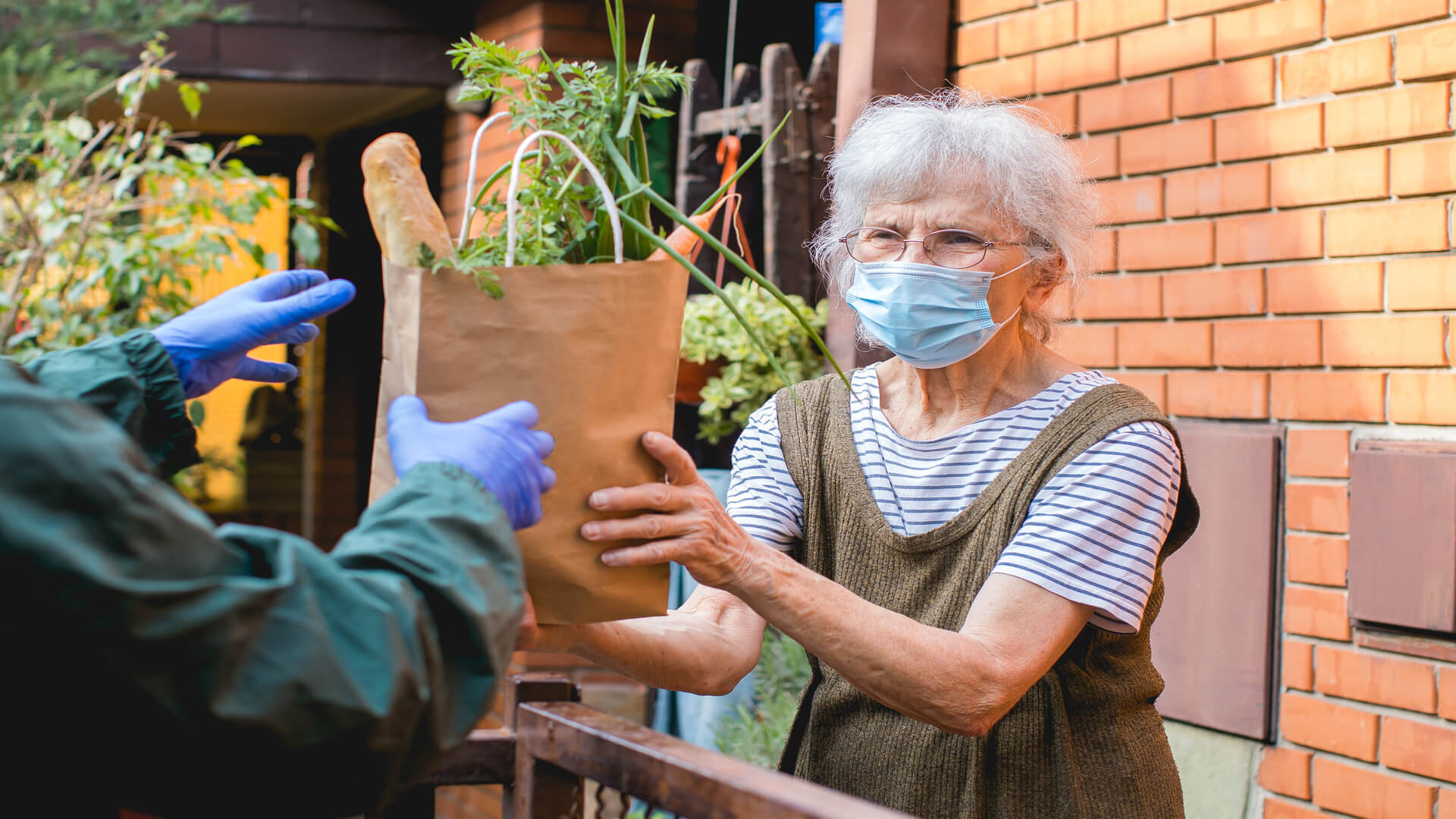
Food security, put simply, is the state of having reliable access to enough affordable, nutritious food. While the UK benefits from a successful agricultural industry, many domestic and international factors affect food production and prices for consumers. This became evident during the world food price spike of 2008.
A successful agricultural industry gives the perception that food security isn’t at risk in the UK. But the country is only around 58% self-sufficient and is reliant on imports from countries all over the world. This has caused with a trade deficit of £24 billion in food.
This fact is magnified by the uncertainty of Brexit, with a no-deal agreement bad for security and bad for business. The recent pandemic has also made it harder to import foods from global locations, and food that is shipped over is taking longer in transit.
Lockdown restrictions have also left farming and food production in a situation where it needs to bounce back from the crisis of the pandemic. In this article, Flogas, a supplier of off-grid gas to rural homes, explores how living rurally can help the UK’s food security problem.
The current climate
Around 84% of fruit and 46% of vegetables consumed in the country are imported. While Brexit and COVID-19 threaten a steady supply to urban areas, problems created by climate change also risk disrupting imports of food from abroad.
Climate change can reduce global food access and affect its quality. An increase in temperature, change in precipitation patterns, extreme weather events, and reductions in water availability can result in reduced agricultural productivity.
For those living in a rural location, the opportunity to grow fruit and vegetables in allotments, gardens and other accessible land is one that not only gives people a fresh supply of food when they need it but a chance to be part of something bigger — helping increase food security.
Grow your own, off-grid
To grow fruit and vegetables, ample space and good quality soil are required. Although it might not be possible to grow bananas or pineapples — due to average UK temperatures — apples, pears and strawberries can be on the menu.
Apple trees are probably the easiest fruit trees to grow and one of the most popular with gardeners. Thousands of varieties can be produced, but they tend to fall into two categories — either dessert or cookers, with the latter perfect for cooking with. Some are even-dual purpose.
Pears also follow a similar growth pattern to apples and don’t fall far from the tree. Strawberries are also easy to grow and can even be produced from hanging baskets.
Homegrown strawberries are delicious and prove to be great value compared to shop-bought equivalents. Just remember they need sun, shelter, and fertile soil to thrive.
In the world of vegetables, the humble potato is a popular choice for growing on home soil. Versatile as chips, roast potatoes, and mash, an ample supply of spuds whenever you need them is a great way to reduce the reliance on farmer and supermarket supplies.
In fact, everything from chilli peppers to radishes can be grown at home, giving people in rural area a wide variety of vegetables to choose from. To help people learn how to grow their own, the Royal Horticultural Society has an A-to-Z list of fruit and vegetables on their website, as well as guides on how to grow them.
Not only can fruit and vegetables provide a good food source, but it can turn into a regular hobby or side-project, especially for people who’ve been furloughed, work part-time, or are retired. Produce could be sold to local people, local suppliers, and even restaurants who want to use local produce on their menu.
Home gardening can play an important role in advancing food security during and after the pandemic. It can also strengthen the provisioning of the UK food ecosystem. Although homegrown fruit and vegetables aren’t the definitive answer for improving the 58% self-sufficient rate, it’s a good start for those living off-grid. Something that could just be a hobby helps to put more food on the table without the reliance on imports or straining supply chains.
Popular Articles




Best Bilingual IB School 2026 – Attica
5 min read
Best AI Penetration Testing Tools for Enterprises
4 min read
Best AI Contract Review Software in 2026: Three Tools and Who Each One Suits
4 min read
Japan or the Republic of Korea? 7 Things European SMEs Should Know Before Expanding into Asia
4 min read
You Might Also Like
Best Mirakl Alternatives in 2026: What to Buy When Mirakl Is Overkill

Why EU Businesses Should Choose a .EU Domain
Why European Companies Should Consider a .EU Domain for Greater Credibility and TrustFor businesses operating across Europe, trust and credibility have become as important online as they are in the boardroom. Whether you’re a startup looking...
18th December 2025 · 4 min read
How AI’s Role in Improving Workplace Safety Continues to Expand
When generative AI was first introduced to the public a few years ago, its implications were largely unknown. Consumers thought of it in terms of writing texts and generating unique images. But as we have since learned, AI has a ton of potential w...
3rd April 2025 · 4 min read