








Solid communication is commonly emphasised in business. Improving communication skills is something both employers and employees are encouraged to do. Implementing and developing ways to improve communication skills is easier said than done. Poor ...
5th August 2022 · 4 min readHow to prepare your company for Brexit
As the deadline of the UK leaving the European Union is around the corner, logistics companies will need meticulous preparation in order to be able to compete in the new market.
Posted on 24th November 2020 · 3 min read
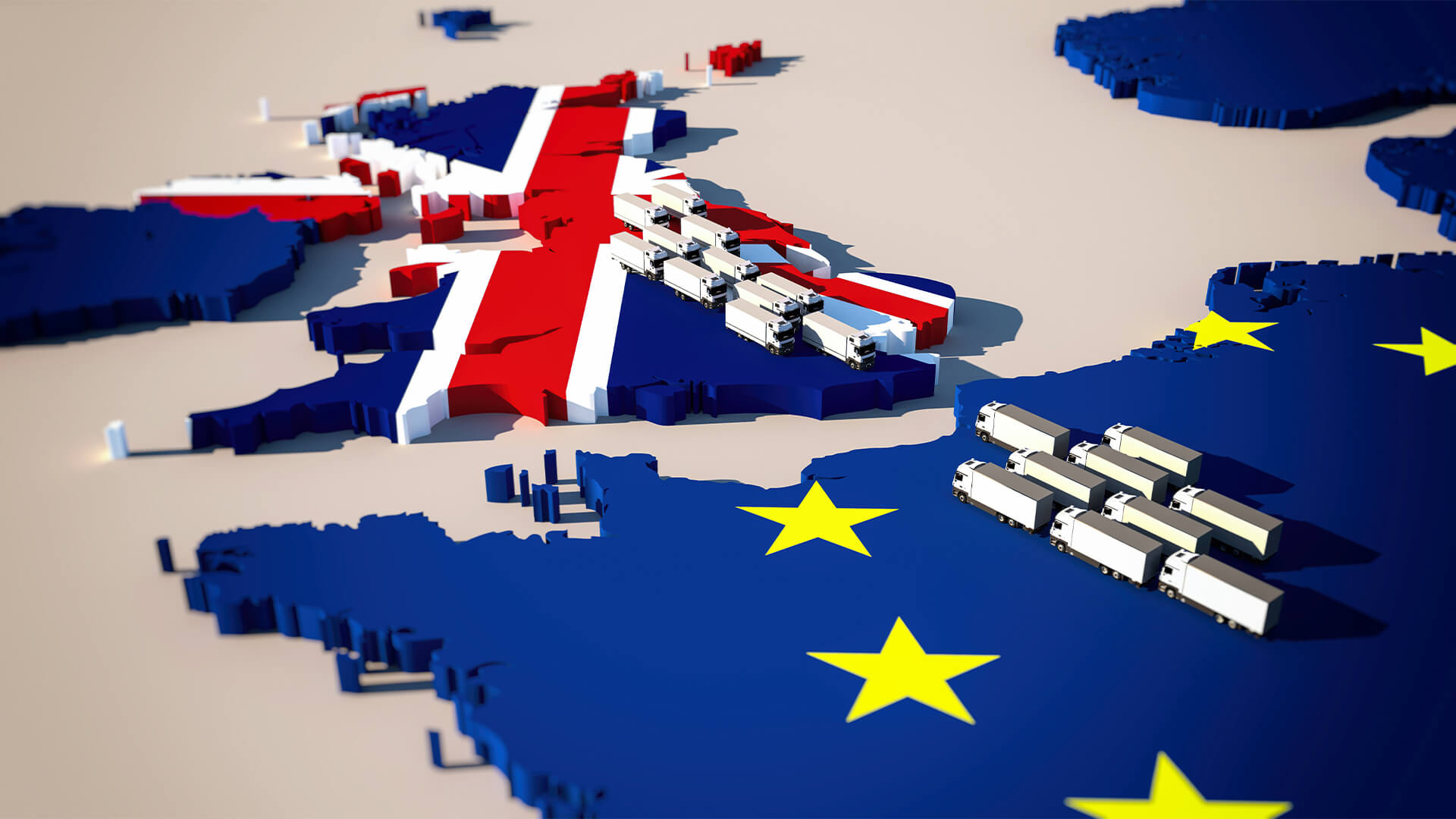
As the deadline of the UK leaving the European Union is around the corner, logistics companies will need meticulous preparation in order to be able to compete in the new market. We spoke to Azhar Hussain, CEO of Hanhaa, a leading British internet-of-things innovator and private LTE/5G network supplier. Hanhaa’s first integrated solution, ParceLive is a real-time cargo tracking service. ParceLive connects users to live information about the location, condition and security of their assets regardless of their country, method of transport, carrier or scale. ParceLive is being deployed internationally by leading logistics vendors and channel partners from Hellmann Worldwide Logistics, GEODIS, DS Smith, Porsche and Arrow Electronics.
Read on for the best insider tips from Azhar to ensure your business is ready for Brexit.
1. Open a foreign office if you’re shipping into Europe
With Brexit, everything becomes much more problematic especially with customs and increased costs. Even if a deal is reached, there is enough bad information out there that people will just assume the worst. British businesses will lose a lot of deals simply by not being called or asked about them – buyers will just eliminate the UK from their criteria. Open an office in continental Europe or Ireland which will be the sales function of selling into Europe. The European company needs to be the counterpart to the UK company so that all shipping can be managed internally within the company and customs will need to be less involved.
2. Understand the negative implications that can impact your business
There is going to be a problem with reduced haulage capacity for UK businesses that operate within Europe. You will no longer have unlimited access to European roads as a freight operator. The UK is going to get an allocation of licenses and only licensed vehicles will be able to go into Europe. The problem here is that it will also operate the other way as well and the UK will probably do the same.
3. Build a good relationship with your shipper
Even if the UK say they aren’t going to check any paperwork coming in from Europe, under the WTO rules, the British cannot favour the Europeans. Therefore they have to give the same terms to everybody and if they decide that there will be no paperwork controls on cargo coming in, the implications are only negative.
4. Stay on top of all of your paperwork
In the world of tariffs, you need commodity codes for everything you ship. Really familiarise yourself with the commodity codes of your products. Make sure whatever goods you have comply to the countries that you are supplying to. UK regulations and European regulations were the same, but that will no longer be the case. You will need to specifically declare for Europe in a way you didn’t have to before. If you manufacture something, you need to make sure you comply with the correct forms of testing.
5. Use IoT tech such as ParceLive or the ParceLive blockchain app integration to upload and track all your documents with your shipments
This will make your workflow so much easier. You can attach a ParceLive device to your cargo, upload the shipping documents for it and as the shipments are moving through the world, give access to those documents to your shippers and to the customs authority. The goods can declare themselves as they move, and any delays can be highlighted back to you instantly. Expect congestion at ports, if not on the UK side then certainly on the European side, as Europeans have stated they won’t let things through without paperwork. With ParceLive, you can track your goods as they go through different frontiers, understand if they have been blocked, and get a better understanding of ETAs. If there are any issues, documentation can be shared easily to resolve concerns over the cargo in transit instantly and transparently.
Popular Articles
You Might Also Like
Why Communication In The Workplace Is Essential And How To Improve It

Green Buildings: The New Frontier for Sustainable Business Growth
The modern business landscape has been witnessing a paradigm shift in recent years with a growing emphasis on sustainability and environmental conservation. One of the most promising means of achieving this is by adopting green building strategies...
21st December 2023 · 3 min read
Fintech start-up Wi5 raises £8 million seed round to evolve in-venue order & pay experiences
•Telefonica-backed fintech start-up closes one of largest ever UK start-up seed rounds •Wi5 platform backed to revolutionise in-venue order and pay experience, capitalising on customer desire for speed and convenience •Technology delivers perso...
29th March 2019 · 2 min read