




Marketing can be done in many different ways, from social media marketing to email marketing and everything in between. If you have a business in the EU, here is how you can use marketing to attract a global audience.
5th September 2022 · 3 min readHow Turnkey Manufacturing Streamlines Complex Product Launches
Posted on 23rd November 2026 · 4 min read
How Turnkey Manufacturing Streamlines Complex Product Launches
A successful prototype is only part of bringing a new product to market. The next challenge is manufacturing it consistently, at the right cost and within a commercial production schedule. For companies developing complex industrial products, this transition can expose problems that were difficult to anticipate during the design stage.
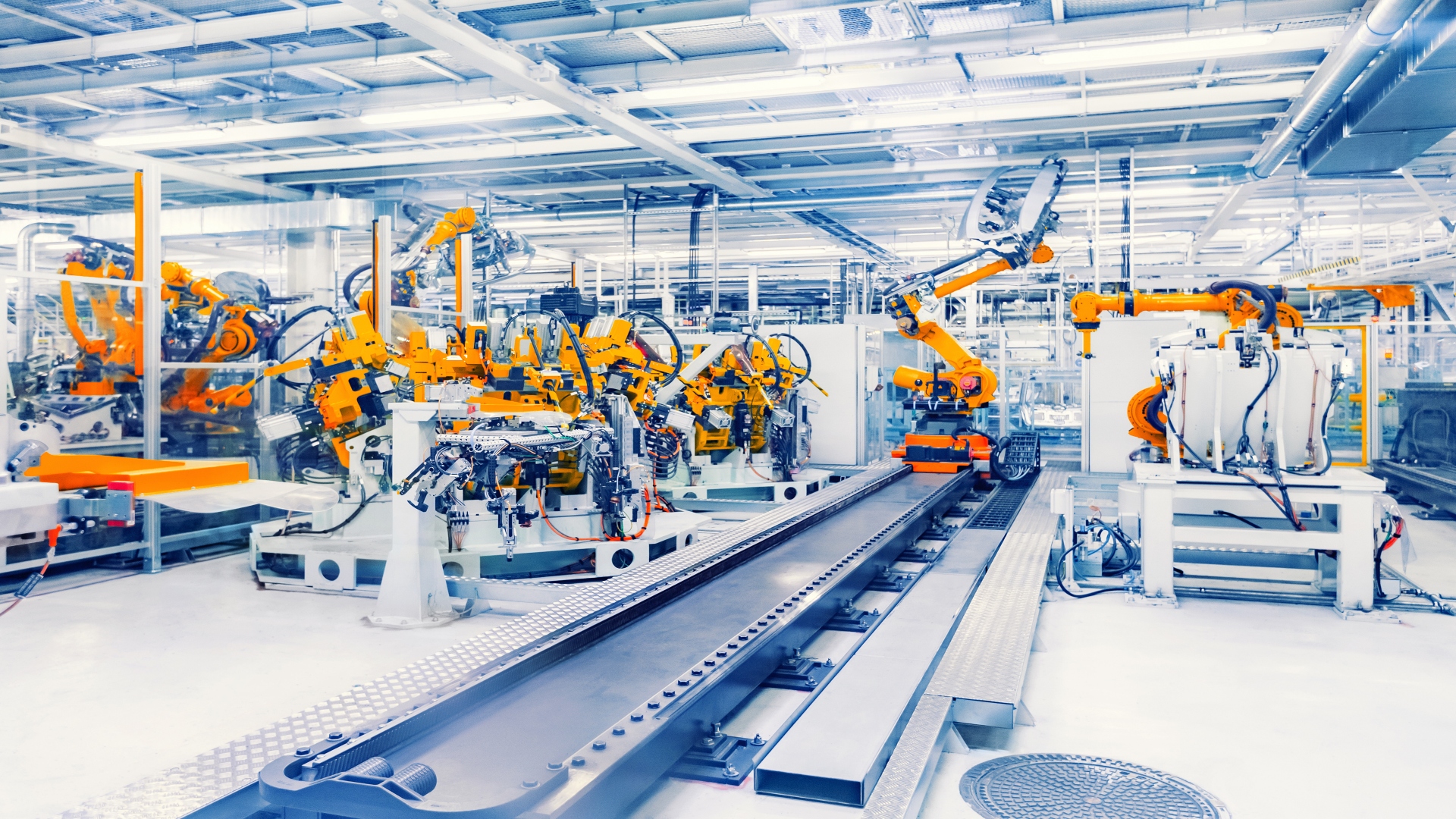
Turnkey manufacturing can simplify that process by placing several production activities under one coordinated agreement. A manufacturer may produce metal enclosures and arrange industrial spray painting before the finished parts enter final assembly. It may also manage component procurement and testing, depending on the agreed scope. This reduces the need for the client to coordinate each production stage independently.
The potential advantage is a shorter, more predictable product launch. However, assigning responsibility to one manufacturing partner does not automatically eliminate delays. The arrangement works best when engineering decisions are resolved early and the manufacturer has sufficient control over the activities required to deliver the finished product.
Identify Production Problems Before Manufacturing Begins
A product design may perform well during testing but prove expensive to manufacture at commercial volumes. Components that technicians can assemble manually during prototyping may require excessive labour during regular production. Discovering these problems after tooling has been ordered can force costly modifications and delay the planned launch.
Turnkey manufacturers can review the design for manufacturability before production begins. Their engineers examine how the product will be assembled and identify features that may cause difficulties on the production line. For example, moving a fastening point might make an enclosure easier to assemble without changing its intended performance.
Early manufacturing involvement also helps establish realistic production costs. A component that appears economical during prototyping may require additional tooling investment at scale. Identifying these expenses before approving the final design allows the company to make informed decisions about its launch budget.
Reduce Delays Between Different Suppliers
Complex products often require components from several specialist manufacturers. When each supplier operates under a separate agreement, the company launching the product must coordinate their delivery schedules. A delayed component can interrupt subsequent production even when the other suppliers have completed their work.
A turnkey arrangement places much of this coordination with the manufacturing partner. The provider can plan purchasing against the intended assembly schedule and monitor the availability of required components. This is particularly valuable when a product contains specialised electronics with longer procurement lead times. Early purchasing decisions can prevent those items from delaying an otherwise completed assembly.
However, the manufacturer needs an accurate and approved bill of materials to manage procurement effectively. Late design changes can make previously ordered components unsuitable. Clear revision control helps prevent purchasing teams from ordering against outdated specifications, reducing the risk of unnecessary expenditure.
Coordinate Surface Finishing With Final Assembly
Surface finishing is sometimes treated as a separate production activity, but its requirements can influence a finished product’s design. A protective coating may affect the fit of closely toleranced components. Threaded openings may require masking to prevent coating material from interfering with assembly.
When finishing is coordinated with fabrication, these requirements can be addressed before components reach the coating stage. For a painted metal enclosure, the manufacturing team can specify which surfaces must remain uncoated and establish the required finish thickness. This helps avoid rework when the enclosure reaches final assembly.
The completed finish also needs inspection before the component proceeds further through production. A coating that looks acceptable may still fail to meet its specified adhesion or thickness requirements. Finding the problem before assembly is generally less disruptive than dismantling a finished product for refinishing.
Use Pilot Production to Resolve Quality Issues
Moving directly from a working prototype to full-scale manufacturing creates unnecessary risk. A prototype shows the design can work, but it does not prove the production process will deliver consistent results. Pilot production provides an opportunity to test the intended manufacturing methods before committing to larger quantities.
During a pilot build, the manufacturer produces a limited number of units using the planned production equipment. The company can then examine assembly performance and determine if the finished units meet the approved specifications. Any recurring defects can be investigated before they affect a substantial production batch.
This stage also helps establish realistic production times. If an assembly repeatedly takes longer than expected, the manufacturer can examine the cause and adjust the process. For the company preparing to launch, the resulting information provides a stronger basis for forecasting manufacturing capacity and delivery dates.
Maintain Commercial Control Throughout the Launch
One of the attractions of turnkey manufacturing is having a single organisation responsible for coordinating the agreed production scope. Instead of resolving disputes between several suppliers, the client can address manufacturing performance through one principal commercial relationship. The arrangement should make responsibilities easier to identify, particularly when unexpected delays occur.
The manufacturing agreement must still define how costs and design changes will be managed. A modification introduced after tooling approval may require additional expenditure, even if the original manufacturing quotation was fixed. Establishing a formal change approval process helps prevent disputes and gives the client greater control over the final project cost.
Product compliance also remains a responsibility that businesses cannot simply transfer through outsourcing. Under applicable EU product legislation, a company placing a product on the market under its own name or trademark generally retains the manufacturer’s legal obligations, even when production is subcontracted. The company must therefore ensure that the appropriate conformity assessment and technical documentation requirements are met.
Regular production reviews help maintain visibility throughout the launch. Companies should monitor progress against agreed milestones and examine quality results before authorising larger production quantities. A reliable turnkey partner provides sufficient information for the client to make these decisions without becoming involved in every routine manufacturing activity.
Popular Articles




Best Bilingual IB School 2026 – Attica
5 min read
Best AI Contract Review Software in 2026: Three Tools and Who Each One Suits
4 min read
Best AI Penetration Testing Tools for Enterprises
4 min read
Japan or the Republic of Korea? 7 Things European SMEs Should Know Before Expanding into Asia
4 min read
You Might Also Like
How EU Businesses Can Use Marketing to Attract a Global Customer Base

How Large Enterprises Can Mitigate Security Risks When Adopting Unified Communications
Communication is crucial for large organisations in today’s fast-paced business environment, with teams spread across the globe. Unified communications allow companies to consolidate several tools into one to benefit seamless collaboration. ...
26th March 2025 · 2 min read
Ellisons Solicitors warns of Brexit shocks for the construction sector
The region’s construction sector has received a stark warning about the impact a no deal Brexit could have on its workforce.
4th October 2019 · 2 min read