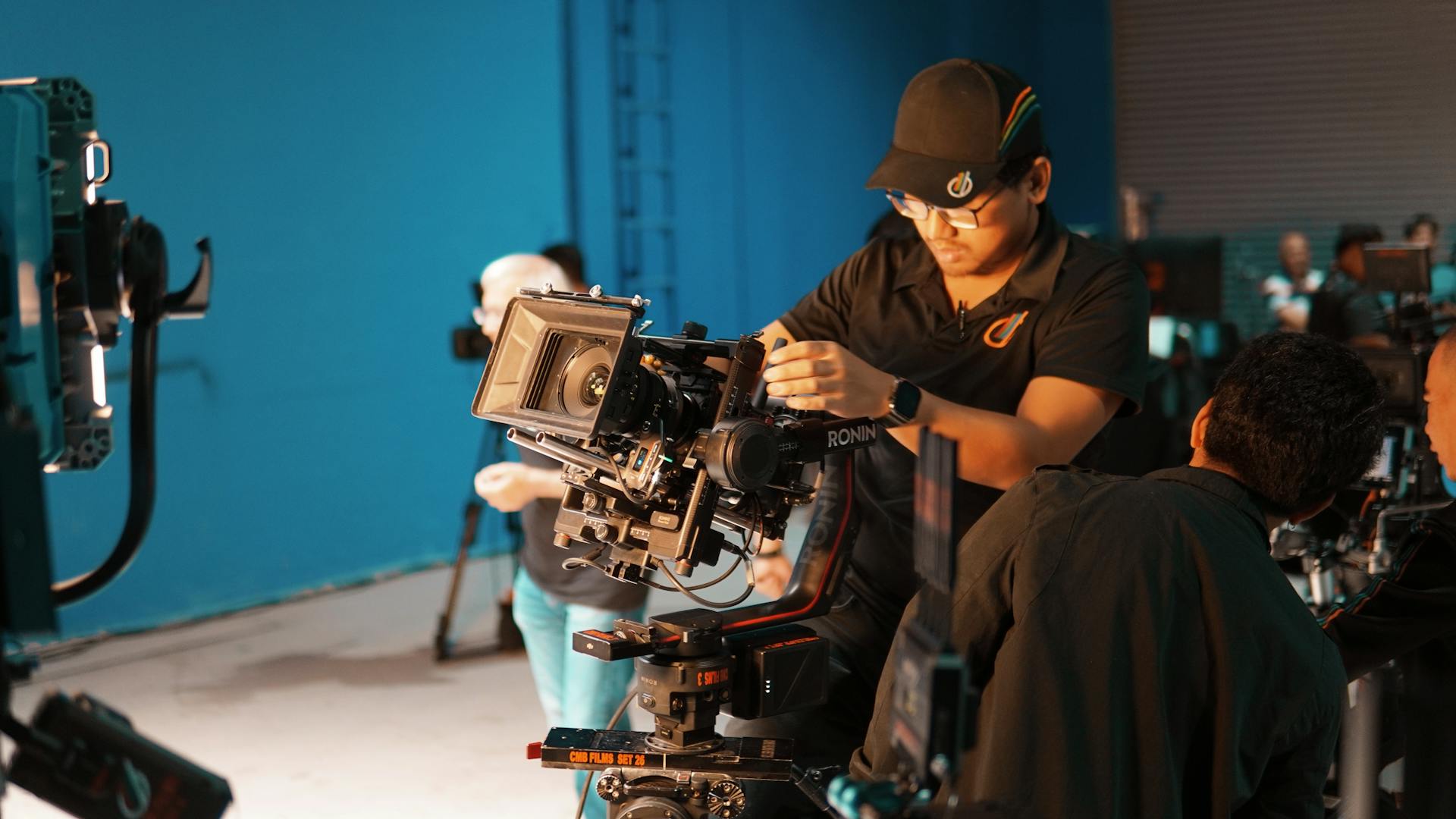

Hybrid production once sounded like a clever add-on. A camera in the corner. A stream link was emailed late. That era looks quaint now. Modern audiences expect broadcast polish on-site and online, simultaneously, under the same ruthless clock. Venues push tighter turnarounds. Stakeholders demand data, captions, clean audio, and instant highlights. This pressure doesn’t reward generalists. It rewards crews that are aware of their specific roles and adhere to them. The job now resembles a small television station that happens to include a live room.
Two Audiences, One Standard
‘Hybrid’ means two crowds judging the same show through different senses. The room forgives a dodgy cut if the speaker lands the point. The stream never forgives subpar sound. That’s why producers increasingly book specialists, sometimes through networks like Event People (eventpeople.co.uk), because the crew list now needs separate heads for stream mixing, RF coordination, camera shading, and on-site PA. One person can’t do all that well. Pretending otherwise produces the familiar misery. Glitchy audio. Distracted stage managers. A frantic director shouting at nobody in particular.
Audio Stops Being “Just Audio”
Sound is at the centre of hybrid stress. A house mix built for loudspeakers fails on a laptop. A stream mix built for earbuds feels thin in the hall. Competent teams split the task. One engineer feeds the room, another builds the broadcast mix, and a third mind watches comms and talkback. That sounds extravagant until a CEO’s keynote drops out for twenty seconds and the replay lives forever. Cameras can cut away from a mistake. Audio mistakes linger like chewing gum on a theatre seat. Even applause needs care, or the stream feels dead.
Connectivity as a Department, Not a Cable
The Internet used to mean “get the venue Wi-Fi password”. Now it means bonded links, backup routes, QoS conversations, firewall wrangling, and a sober plan for failure. A dedicated connectivity technician earns the fee the first time a platform update breaks an encoder handshake five minutes before the doors open. This role also requires fluent English. Loading bays, power phases, patch panels, lines of sight, cellular dead zones. These details sound dull. Dull keeps the show alive. Producers who fail to prioritise connectivity continue to incur the same public costs.
Workflow Discipline Beats Heroics
Hybrid production punishes improvisation. A proper crew builds repeatable workflows. Graphics ops receives a locked template. Playback runs a cue sheet that matches the switcher’s cue list. The camera team knows the shot list and the online framing rules, because wide shots play differently on a phone. A single “hero” technician creates a single point of failure and a culture of panic. Specialised crews create calm. Calm produces speed. Speed produces confidence. The irony delights. More people, clearly defined roles, and tighter handovers often finish faster than a skeleton team sprinting in circles. Rehearsal time shrinks, which makes discipline non-negotiable. Nobody wants surprises.
Conclusion
The market now treats ‘hybrid’ as the default, not an exotic option. That flips hiring logic. Instead of asking who can do a bit of everything, organisers ask who owns the challenging bits: broadcast audio, streaming direction, network resilience, captioning, recording, and post-event packaging. Specialists don’t inflate budgets for sport. They protect reputations, which cost far more than crew day rates. A modern hybrid crew looks like a disciplined ensemble, not a lucky collection of mates. The productions that thrive will keep building teams around expertise, not hope. Expect more dedicated roles, not fewer.
Image attributed to Pexels.com