As urban development embraces sustainability, fabric structures emerge as essential innovations in Europe. These versatile and adaptable constructions promise environmental, economic, and social benefits. Discover how they reshape cities with efficiency and creativity.
Urban development in Europe is increasingly focusing on sustainable solutions, with fabric structures playing a significant role. As you navigate urban environments, you’ll notice the shift towards eco-friendly building practices that minimise environmental impact. Fabric structures offer a sustainable alternative to traditional construction methods by utilising fewer resources and reducing carbon footprints. When you buy a heavy duty canopy, you are investing in an efficient and versatile structure that supports this green transition.
Basics of fabric structures and their applications
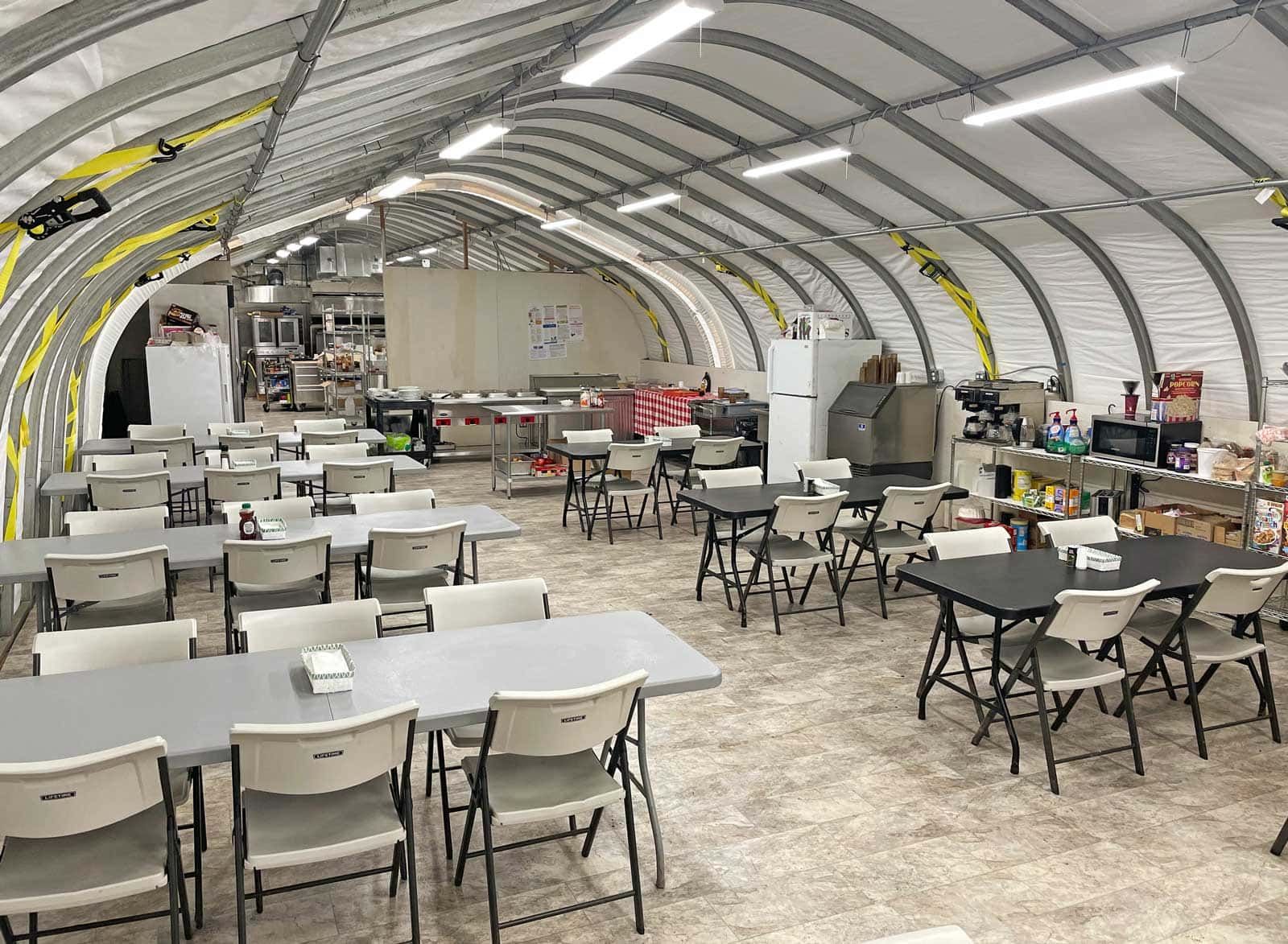
Fabric structures are architectural designs that use tensioned membranes supported by steel or other materials. Known for their lightweight nature and flexibility, these structures can cover large spaces without internal support columns. This feature makes them particularly useful for sports arenas, exhibition halls, and temporary shelters. They offer a modern aesthetic while providing durability against harsh weather conditions.
One of the most appealing aspects of fabric structures is their adaptability to various urban needs. You can find them transforming public spaces into inviting environments with natural light and ventilation. Their ability to be easily dismantled and relocated also contributes to their growing popularity in urban planning. As you explore urban landscapes, you’ll see how these structures enhance functionality and aesthetic appeal.
Advantages of fabric structures in urban settings
Fabric structures significantly contribute to environmental sustainability by minimising material usage and energy consumption during construction. They often utilise recyclable materials, further reducing waste and promoting resource efficiency. The lightweight design translates into lower transportation emissions compared to traditional building materials.
Economically, fabric structures are attractive due to their cost-effectiveness and rapid installation times. You might observe that projects using these structures often face fewer delays, leading to quicker completion and reduced labor costs. This efficiency allows cities to address urgent infrastructural needs swiftly, optimising resource allocation.
Implementations across Europe
Across Europe, several cities have successfully integrated fabric structures into their urban development projects. In various locations, you can find innovative applications such as covered public markets and event spaces that utilise these structures’ flexibility and design appeal. These projects illustrate the seamless blend of functionality and aesthetic enhancement in urban settings.
Specific projects highlight the transformative potential of fabric structures in enhancing community spaces. For instance, some cities have used them to create temporary housing solutions for displaced populations or to establish pop-up parks in underutilised areas. These examples demonstrate the diverse applications of fabric structures in meeting the dynamic needs of urban populations.
Challenges in adopting modern constructions
Despite their benefits, incorporating fabric structures into existing urban plans can present challenges. Regulatory hurdles often arise as building codes may not readily accommodate non-traditional materials or designs. You might find that public perception also plays a role; some communities may resist changes due to unfamiliarity with the concept.
Integrating fabric structures requires careful consideration of long-term urban planning goals. Collaborations between architects, city planners, and policymakers are crucial for aligning these innovations with broader sustainability objectives. As you delve deeper into urban development strategies, it becomes clear that embracing such progressive designs demands a balanced approach addressing technical, regulatory, and social factors.
Influence on future urban developments
The future of sustainable urban development looks promising with the continued integration of fabric structures. You can expect ongoing innovations in materials technology that will enhance durability and functionality while maintaining environmental friendliness. Emerging trends indicate a growing interest in hybrid designs that combine traditional construction with fabric elements for optimal performance.
These advancements position fabric structures as key players in reshaping Europe’s cityscapes with an emphasis on sustainability and innovation. By staying informed about these developments, you gain insights into how cities can evolve to meet contemporary challenges through creative architectural solutions.