








Access control sounds like it’ll be simple enough to take care of. Let the right people in, keep the wrong ones out - a pretty simple, straightforward issue to sort. But when you break it down into day-to-day practice, it pretty much never f...
9th September 2025 · 3 min readWhy Cutting Stainless Steel Precisely Matters for Sustainable Supply Chains
Posted on 10th July 2026 · 4 min read
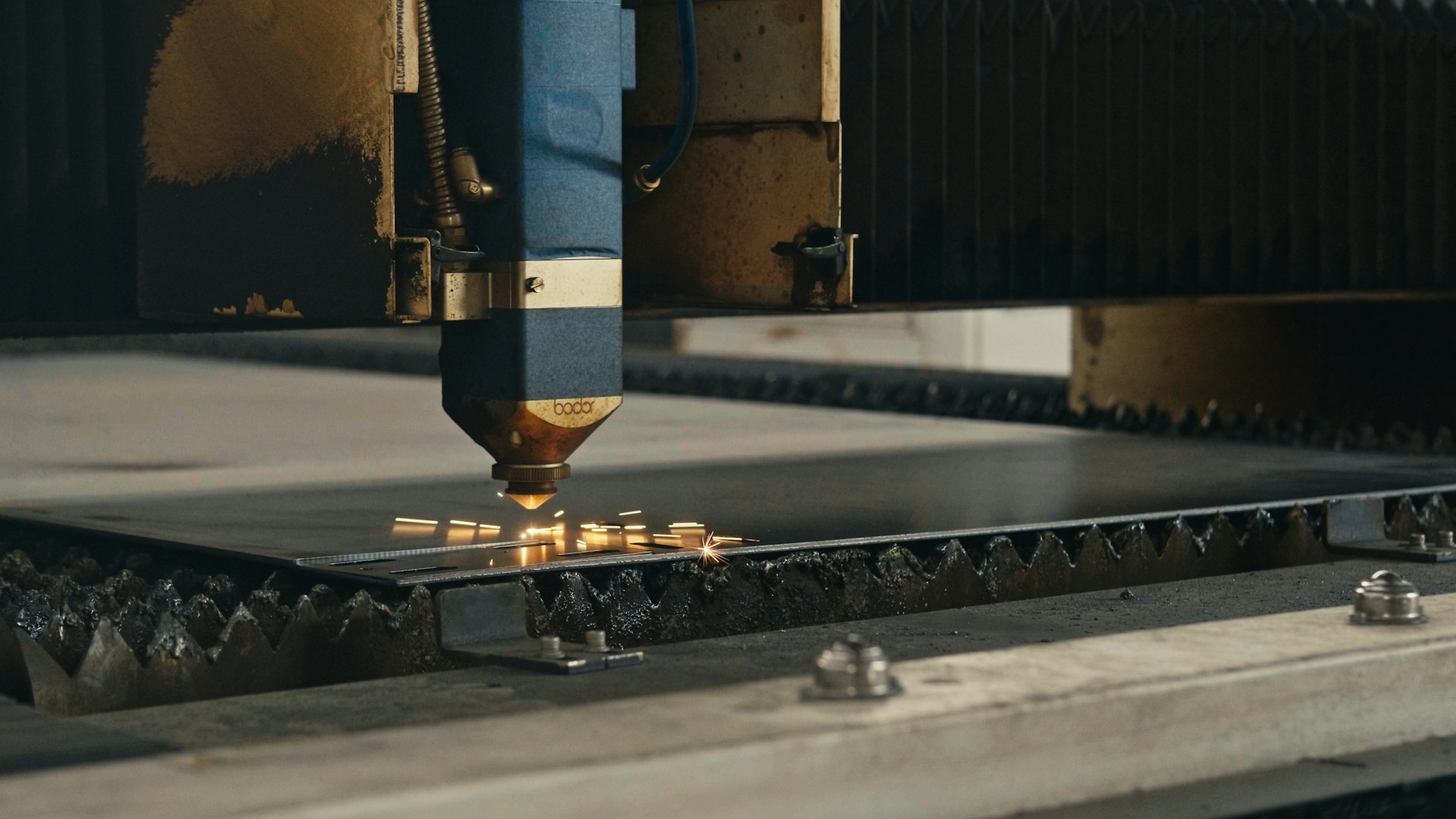
What if one of the most impactful things a manufacturer could do for sustainability wasn’t about materials sourcing or carbon offsets, but about how precisely a piece of metal gets cut?
Stainless steel sits at the core of products across construction, food processing, medical equipment, energy infrastructure, and industrial manufacturing. How accurately it gets cut during fabrication shapes how much material gets wasted, how much energy gets burned producing what is ultimately discarded, and how cleanly every downstream process in the supply chain can function.
The connection between precision cutting and supply chain sustainability is real, measurable, and largely overlooked.
Where Sustainability Actually Starts in a Supply Chain
Most sustainability discussions focus on the visible end of the supply chain, such as shipping, packaging, and recycling. However, some of the most important opportunities to reduce waste begin much earlier, on the fabrication floor where raw materials are transformed into finished components.
Every oversized offcut, imprecise cut, or scrapped part represents wasted material, energy, and resources that have already gone through mining, refining, manufacturing, and transportation. According to the EPA’s Waste Reduction Model, recycling steel instead of producing it from virgin ore significantly reduces lifecycle greenhouse gas emissions, highlighting the value of minimizing scrap before it is created. Improving cutting accuracy and reducing unnecessary waste at the source can have a meaningful impact on both sustainability goals and overall production efficiency.
1. How Precision Cutting Directly Reduces Supply Chain Waste
When a cutting process delivers tight tolerances with minimal kerf loss and near-zero rework, the sustainability benefits multiply simultaneously across the chain.
What improves with precision:
- Less raw material consumed per finished part, reducing upstream extraction and processing demand
- Less scrap requiring collection, transport, sorting, and reprocessing, each step carrying its own emissions cost
- Fewer secondary finishing operations needed, cutting energy consumption and consumable use downstream
- Higher first-pass acceptance rates, preventing waste at the assembly stage from out-of-tolerance components
- Better material nesting efficiency when cuts are predictable, maximizing parts per sheet and reducing offcut volume
- Fewer replacement components fabricated, packaged, and shipped to compensate for rejected parts
Each improvement compounds across a high-volume production run. The cumulative effect on emissions, energy use, and material efficiency is substantial.
2. Why Stainless Steel Specifically Rewards Precision
Not all metals respond to imprecision the same way. Stainless steel has specific characteristics that make precision especially important and imprecision especially costly.
What makes stainless steel different:
- Its work-hardening behavior means rough or repeated cuts alter edge properties, requiring additional processing to correct
- Its higher value per kilogram means scrap losses carry real financial weight alongside environmental cost
- It is fully recyclable and requires no surface coatings at end of life — its sustainability profile is inherently strong, but the fabrication process either builds on that or undermines it
- Consistent, precise cutting also extends consumable life, reducing the waste generated by the cutting process itself
- Edge quality directly affects downstream assembly fit and finish, making precision a quality metric and a sustainability metric simultaneously
This is where the technology behind cutting stainless steel becomes directly relevant to supply chain sustainability outcomes, not just production performance metrics.
Hypertherm develops cutting technology specifically designed to improve precision and reduce material loss in demanding fabrication environments, including high-alloy materials like stainless steel, where process consistency directly affects both quality and waste in equal measure.
3. What Supply Chain and Operations Managers Can Do Right Now
Sustainability improvements at the cutting stage do not require a full technology overhaul. Several process changes deliver meaningful results without major capital investment.
Actionable steps that improve both margins and sustainability:
- Audit scrap rates by material and process to identify where losses concentrate and whether they are consistent or variable
- Invest in nesting software that optimizes part layout before cutting begins, maximizing material yield from each sheet
- Establish operator training standards specific to stainless steel grades, generic settings consistently produce more waste than grade-specific parameters
- Track first-pass acceptance rates as a sustainability metric alongside cost metrics, since they measure the same outcome from different angles
- Evaluate cutting technology on total material utilization, not just capital cost or throughput speed, a faster process that generates more scrap may cost more overall
- Conduct regular consumable audits to identify wear patterns that signal process drift before it affects cut quality
These are practical steps that improve environmental performance and operational margins at the same time.
4. The Supply Chain Ripple Effect of Better Cutting
A fabrication shop that improves precision at the cutting stage does not only improve its own numbers. It sends cleaner, more consistent inputs to every downstream process that depends on its output. This is how precision travels through the chain:
- Tighter components reduce correction and rework at the assembly stage
- Better edge quality eliminates secondary processing steps that consume additional energy and materials
- Fewer rejected parts reduce replacement fabrication, packaging, and shipping across the whole supply chain
- Consistent output reduces buffer inventory kept to compensate for unpredictable quality variation
- Downstream customers benefit from improved fit, reduced assembly time, and lower defect rates
The sustainability case for precision in manufacturing is fundamentally about these ripple effects. Individual improvements at the cutting stage create cumulative gains from raw material all the way to the finished product.
Conclusion
The manufacturing industry faces growing pressure to reduce emissions, cut waste, and demonstrate responsible material use. The most effective responses happen on the shop floor in daily process decisions, not only in annual sustainability reports.
Precision cutting is one of those decisions. For manufacturers working with stainless steel at volume, it is one of the clearest and most immediately actionable paths to supply chain sustainability available right now, without waiting for new materials, new certifications, or new regulatory frameworks to define the next step.
Popular Articles
You Might Also Like
What Are the Staples of an Access Control Solution Checklist

Why we should be worried about the global AI rat race
The global AI race is moving faster than ever, with countries competing to become number one, however this rat race could cause disastrous consequences for the world, according to new research from ESCP Europe
15th November 2018 · 2 min read
London leads the way in the Flexible Workspace boom
New flexible workspaces in Central London grow 42% year-on-year.
18th March 2019 · 3 min read