








2024 is on track to see more heat pumps installed in the UK than ever before, according to data from MCS (Microgeneration Certification Scheme), the UK’s quality mark for small-scale renewable energy.
29th July 2024 · 3 min readAlternative Assets for SMEs: Where Precious Metals Fit in a Modern Portfolio
Posted on 17th July 2026 · 4 min read
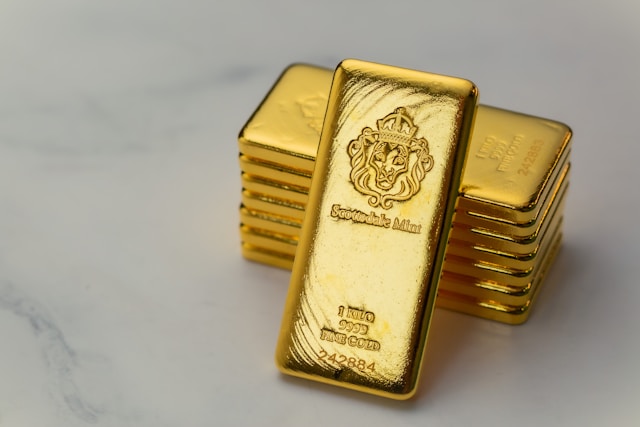
Most small and medium sized businesses keep treasury simple: stay liquid. But when cash reserves start to pile up beyond near term needs, it is worth asking whether everything should sit in the bank. This is where alternative assets like precious metals can play a small, supporting role. For most SMEs, metals are not an operating asset or a bet on price spikes. They are a minority allocation inside a broader plan, aimed at diversification, inflation protection, and risk management. If you are still building your cash buffer, focus there first. Once it is solid, a measured slice of metals can add resilience without squeezing working capital.
Where Precious Metals Fit for Most SMEs
Precious metals make the most sense when you separate long-term portfolio strategy from day-to-day cash management. If your business has reserves that go beyond near-term operating needs, metals can play a supporting role as a diversifier, an inflation hedge, and a risk management sleeve, not as a core holding. For more perspective, it helps to explore finance and investment strategies that put alternative investments alongside traditional options.
For most SMEs, a reasonable allocation is typically in the single digits as a percentage of total reserves, so liquidity stays front and center. The point is not to chase returns, but to add an asset that can behave differently than cash, equities, or bonds.
Why Metals Behave Differently from Core Assets
Precious metals occupy a distinct role in portfolio construction, and that distinction comes down to one structural characteristic: asset class research consistently shows that metals carry a low correlation to equities like the S&P 500. When equity markets sell off sharply, metals often hold their value or move in the opposite direction, which is the core reason they attract attention during periods of market volatility.
Gold and Silver as Diversification Tools
Gold functions as the anchor metal for most SME portfolios entering this space. Its primary appeal lies in wealth preservation during economic uncertainty, making it the default starting point when businesses want defensive exposure without taking on industrial or cyclical risk.
Silver sits a step removed from that position. It carries a monetary history similar to gold, but its significant industrial demand makes it more volatile across market cycles. For SMEs, silver can complement a gold position, though the price swings require a longer holding tolerance than most treasuries are built for.
Where Platinum and Palladium Belong
Platinum and palladium behave differently again. Both metals are deeply tied to industrial demand, particularly automotive manufacturing, which means their prices respond to sector-specific cycles rather than broad economic uncertainty.
For most SMEs, these metals are not natural starting points. They carry narrower use cases and tend to suit portfolios where gold and silver exposure is already established and the business has appetite for more specialized risk.
Choosing the Right Vehicle for Your Business
Once an SME decides to allocate toward precious metals, the next practical question is how to actually hold them. The two most common routes are ETFs and physical bullion, and each comes with a different set of trade-offs across liquidity, custody, and operational complexity.
When ETFs Suit an SME Better
ETFs are generally the simpler entry point. They trade on standard exchanges, require no storage arrangements, and integrate into existing brokerage or treasury infrastructure without significant overhead.
For businesses prioritizing liquidity and clean accounting treatment, ETFs remove most of the operational burden that comes with direct metal ownership. They suit SMEs that want measured exposure to precious metals as part of a broader asset allocation strategy without taking on the governance complexity that physical holdings introduce. Proper attention to investment risk and due diligence still applies, particularly around counterparty and fund structure risk.
When Physical Bullion Makes More Sense
Physical bullion appeals to businesses that want direct ownership with no intermediary exposure. SMEs evaluating physical holdings tend to favor standard bullion and well-known coinage for resale clarity, verification, and custody planning. In that context, Monex.com features classic U.S. coinage as a recognizable, standardized format that simplifies valuation and supports straightforward custody arrangements.
The trade-off is real, however. Physical holdings introduce storage, insurance, and custody decisions that add operational weight, and for smaller allocations, that burden can outweigh the benefit of direct ownership.
Mining stocks are worth noting separately. They represent equity exposure to companies that produce metals, not to the metals themselves, and should be treated as a distinct risk management consideration rather than a substitute for direct metal allocation.
What Can Limit an SME Allocation
A metals allocation only works as an inflation hedge if it stays out of the way of core obligations. If buying metals puts pressure on payroll, inventory, debt service, or your strategic cash buffer, the position is too big no matter how good the diversification story sounds. For SMEs, sizing matters more than it does for larger firms with deeper reserves.
Liquidity is the first real constraint. Physical metals and thinly traded vehicles can take time to sell and often come with spreads and fees, which is tough during uneven cash flow. Add storage, insurance, and custody costs, and small positions can lose efficiency fast. Volatility also hits harder when reserves are limited.
The Practical Takeaway for SME Portfolios
Precious metals can support portfolio diversification, but only as a measured allocation funded by capital that sits well beyond operating needs. The question is never whether metals are performing well in the market; it is whether the business has the liquidity, stability, and time horizon to hold them without strain.
Asset allocation decisions at the SME level should be shaped by goals and operating resilience first. When those foundations are solid, a small metals position can add genuine value. When they are not, no diversification argument changes that.
Popular Articles
You Might Also Like
2024 Set To Be A Record-Breaking Year For Heat Pump Installations

Alejandro Betancourt López Is the Architect of Hawkers’ Digital Renaissance
Talk about made in the shade. In the competitive world of fashion eyewear, one brand has managed to stand out not just for its style, but for its innovative marketing approach: Hawkers sunglasses.
8th April 2024 · 4 min read
Defending Your Business: A Guide to Employment Tribunal Representation Across Europe
Navigating the complexities of employment law across Europe can be a daunting task for any business. Employment tribunals, in particular, require careful attention and preparation.This article aims to provide businesses with a clear understanding ...
2nd June 2025 · 4 min read