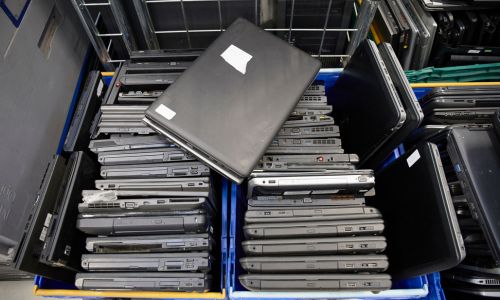

As businesses grow, evolve and digitise, the volume of outdated or unused IT equipment steadily increases. From old laptops and desktops to servers, storage devices and mobile phones, organisations are often left with a surplus of legacy hardware. But simply storing, discarding or selling this equipment without a proper process poses significant security, environmental and compliance risks. This is where IT Asset Disposition (ITAD) becomes essential. ITAD is the process of responsibly managing the end-of-life cycle of IT assets, ensuring that hardware is securely decommissioned, any sensitive data is removed, and materials are either reused, refurbished or recycled.
What Is IT Asset Disposition (ITAD)?
IT Asset Disposition refers to the policies, processes and procedures involved in the safe and environmentally responsible disposal of IT equipment. It goes far beyond simply throwing out old devices. Proper ITAD involves:
- Data wiping or destruction to eliminate sensitive or regulated data
- Asset tracking to ensure full chain-of-custody visibility
- Refurbishment and resale where possible to maximise value
- Recycling of unusable components in compliance with environmental laws
- Certification and reporting for auditing and regulatory requirements
A well-structured ITAD programme not only minimises legal and reputational risk but can also help businesses recover value from their retired assets.
Why ITAD Is Important for Businesses
1. Data Security and Regulatory Compliance
Every piece of hardware that leaves an organisation carries a potential data risk. Even decommissioned devices may store confidential information such as financial records, employee data, intellectual property or customer details.
Without secure erasure or destruction, this data can be retrieved — leading to potential data breaches, non-compliance with regulations like GDPR, and severe reputational damage.
ITAD providers use internationally recognised standards (such as NIST 800-88 or Blancco-certified software) to ensure all data is permanently and irreversibly removed or destroyed.
2. Environmental Responsibility
E-waste is one of the fastest-growing waste streams globally. Companies have a duty to reduce their environmental footprint and dispose of electronic equipment responsibly.
Through proper ITAD practices, businesses can:
- Reduce landfill waste
- Recover valuable materials like copper, aluminium and rare earth metals
- Limit carbon emissions by extending hardware life through refurbishment
Incorporating ITAD into a corporate sustainability strategy is also increasingly important in the eyes of stakeholders and customers alike.
3. Asset Value Recovery
Disposing of IT assets doesn’t mean giving up on value. A key part of ITAD involves assessing whether decommissioned equipment can be resold, reused or repurposed.
Recovered hardware may:
- Be refurbished and resold
- Be donated to educational or social initiatives
- Generate revenue through component harvesting
This not only offsets IT costs but contributes to a more circular IT lifecycle.
4. Risk Management and Transparency
A professional ITAD process includes thorough documentation, such as:
- Asset audit reports
- Certificates of data erasure or destruction
- Environmental impact reporting
These documents are crucial for audits, regulatory inspections and internal compliance checks. They also demonstrate that your organisation takes data security and sustainability seriously.
Building an Effective ITAD Strategy
Implementing a successful ITAD programme involves several key steps:
- Inventory Assessment
- Identify all outdated, unused or end-of-life assets within your organisation. This includes everything from end-user devices to network infrastructure and storage hardware.
- Select a Trusted ITAD Partner
- Work with a certified and experienced ITAD provider who can handle the entire process — from logistics and data sanitisation to refurbishment and recycling. Look for partners who follow recognised standards and provide full traceability. A good example is Circular IT group, a provider that offers secure, sustainable and transparent ITAD services tailored to business needs.
- Establish Data Erasure Protocols
- Ensure all data is securely wiped or physically destroyed in accordance with company policy and legal requirements. Make sure data destruction methods are verifiable and certified.
- Track and Report
- Implement asset tracking and documentation throughout the ITAD process. This provides accountability and helps prove compliance with GDPR and other relevant legislation.
- Integrate ITAD into IT Lifecycle Management
- Rather than treating ITAD as an afterthought, make it an integral part of your IT lifecycle strategy. Plan for decommissioning, data erasure and asset recovery before devices reach their end of life.
Choosing the Right ITAD Partner
The success of your ITAD programme largely depends on the expertise and reliability of your ITAD partner. Choose a provider that offers:
- Certified data destruction and erasure
- Environmental compliance and WEEE certification
- Logistics and secure transport
- Clear reporting and chain of custody documentation
- Sustainability-focused solutions such as refurbishment and reuse