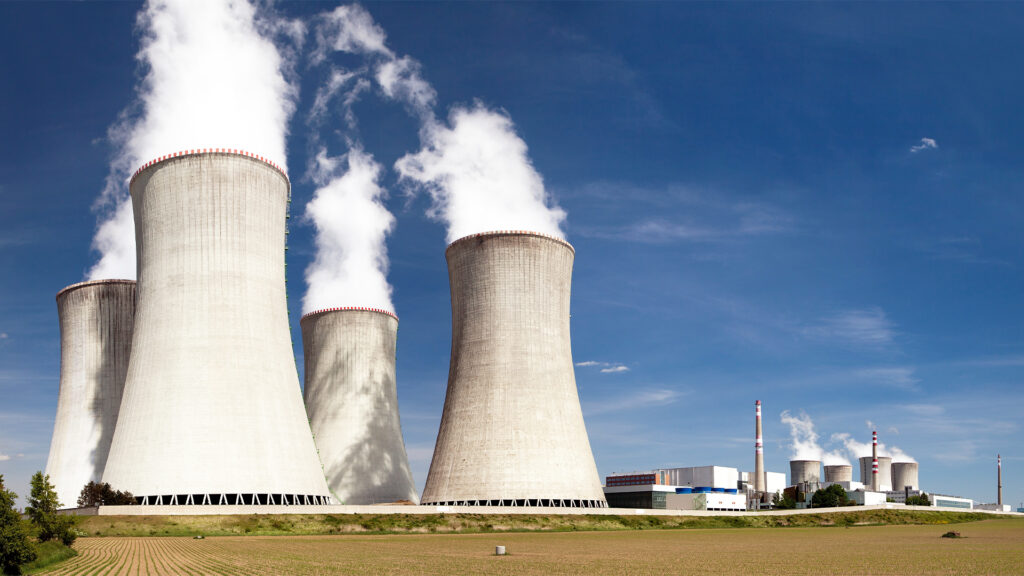

Enhancing energy infrastructure with digital asset monitoring refers to a unique strategy that combines traditional and modern systems. This process involves the strategic integration of digital technology to boost efficiency, improve reliability, and visibility. Alongside this, it reduces downtime and supports sustainability. Here is how digitalisation is enhancing grid operations through remote supervision, real-time diagnostics, and predictive maintenance, among others.
Predictive maintenance for reliability
Predictive maintenance involves using sensors or networks to record information about the machine. By using machine learning and AI algorithms, it assesses any issues or failures, thus allowing engineers to correct them before they become worse. This process also involves minimising downtime by predicting optimal times for maintenance, therefore extending the asset lifetime. Instead of following a fixed schedule, predictive maintenance is only done when needed. This helps reduce labour costs and any unnecessary disruptions.
Remote Supervision and real-time diagnostics
Remote supervision involves remotely monitoring the asset performance and diagnosing if there are any issues through digital inspections. It creates real replicas of the asset by collecting and transmitting real-time data through sensors. This data offers a detailed view of the asset performance, thus allowing the team to monitor it globally. By comparing it with other data, they can identify potential problems and come up with solutions.
Real-time diagnostics further support this approach by continuously analysing assets using smart meters and advanced sensors. These tools deliver high-frequency data about power quality, voltage fluctuations, and equipment performance. AI helps detect anomalies and patterns to localise faults quickly, isolating them and reducing power outage durations.
Asset performance management and simulation
Asset performance maintenance involves monitoring asset performance by analysing data from the sources. This process uses tweak parameters and real scenarios to test the environment before implementation. Using real-time data for asset monitoring services reduces asset inefficiencies and helps in making informed decisions. It also allows organisations to refine algorithms, models and operations for higher efficiencies.
Additionally, digital monitoring enhances training and simulation by creating virtual environments where technicians can practice without risking actual equipment. They also help capture maintenance knowledge without relying solely on team members who may retire or become unavailable for various reasons. This knowledge is extremely valuable in this era of maintenance shortages.
Grid stability and secure connectivity
Enhancing grid operations provides a detailed overview of the entire grid, allowing for better resource distribution and increased grid stability. By using real-time data, enterprises can identify any problems and come up with responses to grid disturbances, minimise the impact of outage identification and improve overall reliability. With digital technologies, organisations can ensure smooth integration and support the transition to a more sustainable energy system.
This transformation also involves secure and scalable connectivity. Secure communication protocols protect data transmission across expanding networks. Real-time dashboards monitor asset health, KPIs, and alerts, ensuring system stability as asset networks grow.
Safety, compliance and optimisation
Digital asset monitoring allows for remote monitoring of hazardous or hard-to-reach assets, reducing the risk to personnel. By using the best tools, organisations can automate and document compliance processes, ensuring adherence to safety and environmental regulations.
Furthermore, data-driven approaches allow for ongoing optimisation. Advanced analytics and machine learning provide insights for continuous improvement. Transparent data-sharing platforms enable benchmarking and collaborative solutions across the energy sector.
Key benefits of digital asset monitoring
- Increased reliability: By enabling proactive maintenance and faster response times, digitalisation significantly improves the overall reliability of the grid.
- Enhanced efficiency: Real-time monitoring, optimised operations, and reduced downtime lead to increased efficiency in energy generation, transmission, and distribution.
- Cost savings: Reduced maintenance costs, optimised energy usage, and fewer disruptions contribute to significant cost savings for utilities and consumers.
- Improved sustainability: By enabling the integration of renewable energy sources and optimising energy consumption, digitalisation supports a more sustainable energy system.
In summary, enhancing energy infrastructure with digital asset monitoring not only takes the process to the next level but also boosts asset maintenance management and increases operational efficiency and asset reliability. This is achieved through real-time insights, enabling predictive maintenance, and supporting condition-based scheduling.